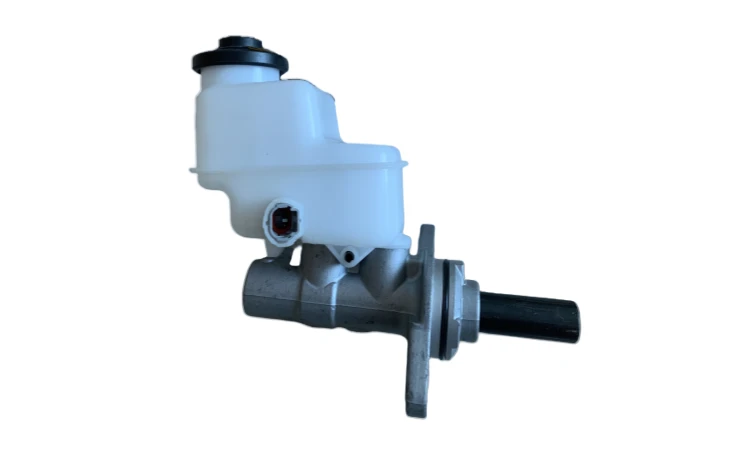
The brake master cylinder is a vital component of your vehicle's hydraulic braking system. It acts as a bridge between the brake pedal and the braking mechanisms, ensuring safe and efficient deceleration. This article delves into its function, common issues, and location, offering insights into maintaining this crucial part.
1. The Role of the Brake Master Cylinder
The brake master cylinder converts the mechanical force applied on the brake pedal into hydraulic pressure, which is then transmitted through the brake fluid to the brake calipers or drums.
Key Functions:
- Hydraulic Pressure Conversion: Transforms pedal pressure into hydraulic force for effective braking.
- Pressure Distribution: In dual-circuit systems, it distributes pressure between the front and rear wheels for balanced braking.
- Brake Fluid Reservoir: Maintains the brake fluid level in the system, preventing air from entering.
This efficient pressure transfer allows for controlled braking, even at high speeds, ensuring safety.
2. Symptoms of a Failing Brake Master Cylinder
A malfunctioning brake master cylinder can compromise braking performance and pose safety risks. Identifying the warning signs early is critical.
- Soft or Spongy Brake Pedal
The brake pedal feels unusually soft or lacks resistance, often caused by internal leaks or worn seals.
- Brake Pedal Slowly Sinking
A sinking pedal while holding pressure indicates internal hydraulic leaks in the cylinder.
- Reduced Braking Efficiency
Increased stopping distances or reduced braking power may stem from the cylinder failing to generate adequate hydraulic pressure.
- Brake Fluid Leakage
Visible brake fluid around the cylinder or under the car suggests damaged seals or a cracked housing.
- Illuminated Warning Lights
Brake warning lights on the dashboard may indicate pressure imbalances or low fluid levels linked to the master cylinder.
3. Locating the Brake Master Cylinder
The brake master cylinder is typically found in the engine bay, near the firewall on the driver's side.
Characteristics of Its Location
- Positioned between the brake pedal assembly and the brake booster.
- The brake fluid reservoir sits atop the cylinder, providing easy access for fluid checks and refills.
Familiarity with its location helps with routine maintenance and early detection of potential issues.
4. Maintenance Tips for the Brake Master Cylinder
Proper care and maintenance of the brake master cylinder can enhance its longevity and ensure optimal braking performance.
- Regular Brake Fluid Replacement
Brake fluid absorbs moisture over time, reducing its efficiency. Replace it every two years or as recommended by the manufacturer.
- Monitor Brake Fluid Levels
Check the fluid level in the reservoir regularly and refill as needed to prevent air from entering the system.
- Inspect Seals and Components
Periodically inspect the cylinder and surrounding seals for wear or damage to prevent leaks.
- Test Braking Performance
Have your braking system tested by professionals periodically to ensure all components, including the master cylinder, are functioning correctly.
The brake master cylinder plays an indispensable role in vehicle safety, ensuring precise and effective braking. Understanding its function, recognizing warning signs, and maintaining it regularly can help keep your vehicle safe and reliable.