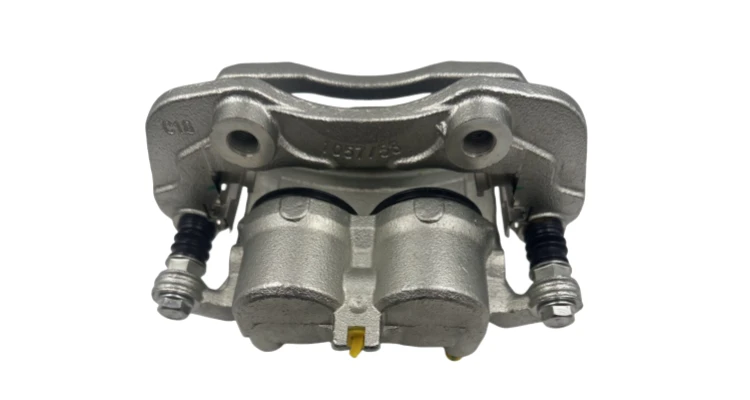
Front brake calipers are crucial components of a vehicle's braking system, ensuring efficient stopping power and contributing to overall driving safety. Understanding their role, how they function, and potential issues can help you maintain your vehicle's braking performance and prevent costly repairs.
1. What is a Front Brake Caliper?
The front brake caliper is a hydraulic component that forms part of the disc braking system, commonly found in modern vehicles. It houses brake pads and pistons, which work together to generate the friction necessary to slow down or stop the car. Positioned over the brake rotor (disc), the caliper applies pressure to the rotor when the brake pedal is pressed, converting hydraulic force into mechanical stopping power.
2. How Does a Front Brake Caliper Work?
The front brake caliper operates through a series of hydraulic processes:
- Hydraulic Pressure: When you press the brake pedal, brake fluid from the master cylinder flows into the caliper under high pressure.
- Piston Movement: The hydraulic force pushes one or more pistons within the caliper outward. This movement presses the brake pads against the spinning rotor.
- Friction Generation: As the pads clamp onto the rotor, friction is generated, which slows the rotation of the wheels and brings the vehicle to a halt.
- Release Mechanism: When the brake pedal is released, the hydraulic pressure decreases, and the caliper pistons retract slightly, allowing the rotor to spin freely again.
This process happens almost instantaneously, ensuring quick and controlled braking in various driving conditions.
3. What Causes Front Brake Calipers to Stick?
Sticking brake calipers can compromise vehicle safety and lead to uneven brake wear or overheating. Common causes include:
- Corrosion: Over time, rust can develop on the caliper's moving parts, such as the pistons or slider pins, causing them to seize.
- Contaminated Brake Fluid: Old or dirty brake fluid may contain moisture or debris, which can corrode internal caliper components.
- Worn or Damaged Seals: The rubber seals around the pistons can degrade, allowing dirt or moisture to enter and impede piston movement.
- Lack of Lubrication: Insufficient lubrication on the caliper's sliding mechanisms can cause the caliper to stick or fail to release completely.
- Overheated Brakes: Excessive braking can lead to overheating, which can warp or damage the caliper components, reducing their effectiveness.
4. Signs of a Sticking Brake Caliper
Recognizing the symptoms of a sticking brake caliper early can prevent further damage. Watch for the following:
- Pulling to One Side: The vehicle may pull to one side while braking due to uneven pressure on the brake pads.
- Unusual Brake Noise: Squealing, grinding, or clunking noises can indicate caliper issues.
- Overheating Wheels: A sticking caliper can cause the wheel to feel unusually hot after driving.
- Reduced Fuel Efficiency: Increased resistance from a stuck caliper may result in higher fuel consumption.
- Uneven Brake Pad Wear: One brake pad wearing out faster than the other can signal a caliper problem.
5. Maintenance and Prevention Tips
Proper care can extend the life of your front brake calipers and maintain braking efficiency:
- Regular Inspections: Include caliper checks during routine brake system inspections. Look for signs of corrosion, leaks, or damage.
- Replace Brake Fluid: Change the brake fluid as recommended by the vehicle manufacturer to prevent contamination.
- Lubricate Components: Ensure the caliper pins and other moving parts are well-lubricated to maintain smooth operation.
- Use Quality Parts: Invest in high-quality brake components to reduce the risk of premature failure or sticking.
By understanding how front brake calipers work and addressing potential issues early, you can ensure safer driving conditions and prolong the lifespan of your braking system.