
Why Choose Us?
1
Quality products: We have advanced production and testing equipment, and our products meet various standards.
2
Wide range of products: Our main products are Chassis parts, Suspension Parts, Engine parts, Electrical Parts, Body parts, such as brake pads, Spark Plugs, Bearings, Bushings, Power Steering Rack, Ball Joint, shock absorber, clutch cover&disc, vane pump, camshaft pulley, belt, tensioner pulley, ignition coil, fuel injector, auto sensor, power window switch, headlight, air cleaner and so on.
3
Reliable service: Our team is committed to providing reliable and consistent service, ensuring that you receive high-quality products and customer support from us every time.
4
Professional team: The company is in possession of numbers of senior engineers and has abundant technique power, well conditioned equipment and technology comes to perfection.
What Is Bushing?
A bushing, also known as a suspension bushing or a rubber bushing, is a component that is used to isolate the suspension system of a car from the chassis. It is a small cylindrical or spherical shaped part that is made from rubber or polyurethane material and is designed to absorb shock and vibration. Car bushings can be found in various parts of the car, including the suspension system, steering system, and drivetrain. They play an important role in improving the handling and stability of the car while also reducing noise and vibration.
-

48654-60050 TOYOTA Bush, Suspension For 4 Runner, FJ Crui...
Product Name: Bushings. OEM No.: 48654-60050. Fitment Type: TOYOYA. For TOYOTA Add to Inquiry -
48654-60040 Bush, Suspension For TOYOTA Land Cruiser 200,...
Product Name: Bushings. OEM No.: 48654-60040. Fitment Type: TOYOYA. For TOYOTA Add to Inquiry -
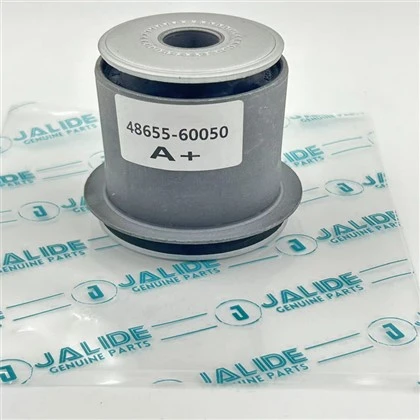
48655-60050 Bush, Suspension For TOYOTA Land Cruiser Prad...
Product Name: Bushings. OEM No.: 48655-60050. Fitment Type: TOYOYA. For TOYOTA Add to Inquiry -
48655-60040 BUSH, SUSPENSION For TOYOTA Land Cruiser 200,...
Product Name: Bushings. OEM No.: 48655-60040. Fitment Type: TOYOYA. For TOYOTA Add to Inquiry -
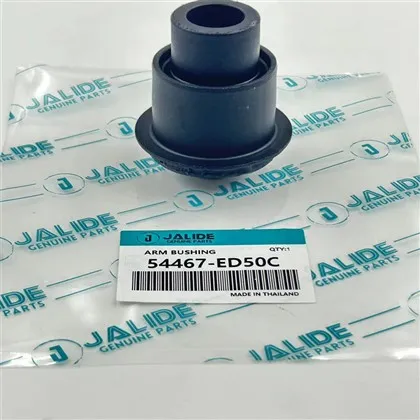
54467-ED500 Body/Frame Bush For NISSAN AD / AD Expert, Bl...
Product Name: Bushings. OEM No.: 54467-ED500. Fitment Type: NISSAN. For NISSAN Add to Inquiry -
48654-BZ010/48654-B4011 Bush, Suspension For TOYOTA Avanza
Product Name: Bushings. OEM No.: 48654-B4011. Fitment Type: TOYOYA. For TOYOTA Add to Inquiry -
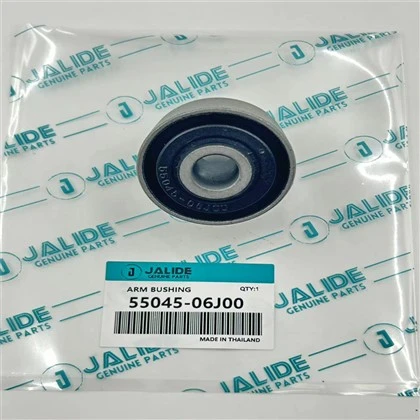
55045-06J00 Bush, Suspension For HYUNDAI Santa Fe 06, San...
Product Name: Bushings. OEM No.: 55045-06J00. Fitment Type: NISSAN. For NISSAN Add to Inquiry -
48702-60031 Bush, Suspension For TOYOTA Land Cruiser, Lan...
Product Name: Bushings. OEM No.:48702-60031. Fitment Type: TOYOYA. For TOYOTA Add to Inquiry -
MR510420 /MR514355/MR510417 Front Lower Control Arm Bushi...
Product Name: Bushings. OEM No.: MR510420. Fitment Type: Mitsubishi. For Mitsubishi Add to Inquiry -
48654-16110/48654-10050 Bush, Suspension For TOYOTA Corol...
Product Name: Bushings. OEM No.: 48654-16110. Fitment Type: TOYOYA. For TOYOTA Add to Inquiry -
48061-60040 Bush, Suspension For TOYOTA Land Cruiser/Land...
Product Name: Bushings. OEM No.: 48061-60040. Fitment Type: TOYOYA. For TOYOTA Add to Inquiry -
51391-55A-024 Bushing Lower Arm For Honda 2x Honda Civic ...
Product Name: Bushings. OEM No.: 51391-55A-024. Fitment Type: HONDA. For HONDA Add to Inquiry






Advantages of Bushing
Provides a cushioned support to the suspension system, reducing road noise, vibrations and harshness.
Enhances the stability and handling of the vehicle by reducing lateral movement and wheel-hop.
Extends the lifespan of the suspension components by reducing wear and tear.
Improves overall ride comfort and reduces driver fatigue.
Helps to maintain proper tire alignment and balance.
Reduces maintenance costs by reducing the need for frequent repairs.
Facilitates smooth steering control and improves maneuverability.
Provides better vehicle stability during high-speed cornering and quick direction changes.
Helps to absorb shocks and jerks during sudden braking or acceleration.
Provides a smooth and quiet ride even on rough road surfaces.

What Is the Function of Bushings in Cars?
In cars, bushings play a crucial role in the suspension system. Bushings are small rubber or polyurethane components that are used to isolate and reduce vibrations between different metal components in the suspension system. They are typically found in areas where metal parts come into contact with each other, such as between the frame and control arms, sway bars, or shock absorbers.
The main function of bushings in cars is to provide cushioning and flexibility to the suspension system. They help to absorb shocks and vibrations from the road, providing a smoother and more comfortable ride for passengers. Additionally, bushings help to reduce noise and harshness by dampening vibrations and preventing metal-to-metal contact.
Bushings also play a critical role in maintaining proper alignment and handling of the vehicle. They help to control the movement of suspension components, ensuring that the wheels stay aligned and in contact with the road surface. This not only improves driving stability but also enhances overall vehicle performance and safety.
Bushings are essential components in cars that contribute to a comfortable ride, reduced noise levels, improved handling, and overall driving experience. Their role in the suspension system is crucial for ensuring optimal performance and safety on the road.
What Are the Different Types of Automotive Bushings?
Rubber bushings
Rubber bushings are the most common type of automotive bushing and are used in various parts of the vehicle, such as suspension systems, engine mounts, and control arms. They are known for their ability to absorb vibrations and reduce noise.
01
Polyurethane bushings
Polyurethane bushings are more durable and long-lasting than rubber bushings. They provide better performance in terms of handling and stability but may transmit more vibrations and noise compared to rubber bushings.
02
Metal bushings
Metal bushings, typically made of steel or bronze, are used in heavy-duty applications where high strength and durability are required. They are commonly found in suspension components and steering systems.
03
Nylon bushings:
Nylon bushings are lightweight, corrosion-resistant, and have low friction properties. They are often used in applications where smooth movement is essential, such as door hinges and throttle linkages.
04
Spherical bearings
Spherical bearings, also known as spherical rod ends or heim joints, provide rotational movement in multiple directions. They are commonly used in suspension linkages and steering systems to allow for articulation while maintaining stability.
05
Where Do Bushings Go on a Car?
Bushings are a type of component commonly found in a car's suspension system. They are typically made of rubber or polyurethane and are used to provide cushioning and reduce friction between moving parts. Bushings can be found in various locations throughout a car's suspension system, including:
Control arms
Bushings are often used in the control arms to connect the suspension to the chassis of the vehicle. They help to absorb road shocks and vibrations, providing a smoother ride.
Sway bar
Bushings are also used in the sway bar (or stabilizer bar) to help control body roll during cornering. They help to maintain stability and improve handling.
Strut mounts
Bushings can be found in the strut mounts, which connect the suspension struts to the vehicle's body. They help to reduce noise and vibration transmitted from the road surface.
Leaf springs
In vehicles with leaf spring suspension systems, bushings are used to connect the individual leaves of the spring pack together. They help to provide flexibility and support.
Features of Bushing
Material
Car bushings are typically made of rubber, polyurethane, or a combination of both materials. These materials are chosen for their durability, flexibility, and ability to absorb shocks and vibrations.
Isolation
One of the primary functions of car bushings is to isolate different parts of the vehicle from each other. By providing a buffer between components such as the frame and the suspension, bushings help reduce noise, vibration, and harshness (NVH) in the vehicle.
Flexibility
Car bushings are designed to be flexible in order to accommodate movement and changes in load while maintaining stability. This flexibility allows for smooth handling and a comfortable ride for passengers.
Damping
Bushings also play a role in damping vibrations that occur when driving over rough or uneven surfaces. By absorbing and dissipating these vibrations, bushings help improve ride quality and overall comfort.
Alignment
Properly functioning bushings help maintain proper alignment of various components in the suspension system. This is crucial for ensuring safe handling, steering responsiveness, and tire wear.
Longevity
High-quality car bushings are designed to withstand constant movement, heavy loads, and exposure to harsh environmental conditions. Regular inspection and maintenance can help prolong the lifespan of bushings and prevent premature wear.
Working Principle of Bushing
Bushings are designed to isolate different parts of the car by dampening vibrations and reducing noise. Their main function is to make the car ride smoother and to prevent metal-on-metal contact between moving parts.
The working principle of car bushing is based on the principle of providing a flexible connection between two moving parts. The bushing is made up of a rubber or polyurethane material, which is sandwiched between two metal parts. The metal parts are typically an outer sleeve and an inner metal core, which fits snugly around the suspension arm, subframe, or shock absorber shaft.
When the car is in motion, different parts of the car vibrate and produce noise. The bushing helps to dampen these vibrations by absorbing them before they can be transmitted to the car's chassis. The rubber material of the bushing is flexible, which allows it to compress and expand as necessary to absorb shocks and vibrations.
Another important function of car bushings is to prevent metal-to-metal contact between different parts of the car. This prevents wear and tear on the car's suspension and steering components, which can significantly reduce the lifespan of the car.
How to Maintain Bushing?
Regular inspection: It is important to regularly inspect the bushings for any signs of wear and tear. Look for cracks, tears, or any other damage that may indicate the need for replacement.
Keep them lubricated: Proper lubrication is essential for the smooth functioning of bushings. Make sure to lubricate them according to the manufacturer's recommendations to prevent premature wear.
Avoid harsh driving conditions: Driving on rough roads or over potholes can put extra strain on the bushings, leading to faster wear and tear. Try to avoid harsh driving conditions whenever possible.
Replace when necessary: If you notice any signs of damage or if the bushings are worn out, it is important to replace them promptly. Driving with worn-out bushings can affect the handling and stability of your car.
Professional inspection: If you are not sure about the condition of your car's bushings, it is best to have them inspected by a professional mechanic. They can assess the condition of the bushings and recommend any necessary repairs or replacements.
How to Judge Whether the Car Bushing Needs to Be Replaced?
To judge whether the car bushing needs to be replaced, there are several signs and symptoms you can look out for
Excessive vibration
If you notice increased vibration while driving, especially at higher speeds, it could be a sign that the bushings are worn out and need replacement.
Clunking or knocking noises
If you hear clunking or knocking noises coming from the suspension when going over bumps or rough roads, it may indicate that the bushings are damaged.
Uneven tire wear
Worn-out bushings can cause uneven tire wear due to improper alignment and suspension movement. Check your tires for signs of uneven wear patterns.
Poor handling
If you experience difficulty steering, the car pulls to one side, or you notice excessive body roll during cornering, it could be a sign of worn-out bushings affecting the suspension system.
Leaking fluid
Inspect the bushings for any signs of leaking fluid, which could indicate damage or deterioration.
Visible damage
Check the bushings visually for signs of cracking, tearing, or deformation. Any visible damage is a clear indication that they need to be replaced.
Features of Bushing
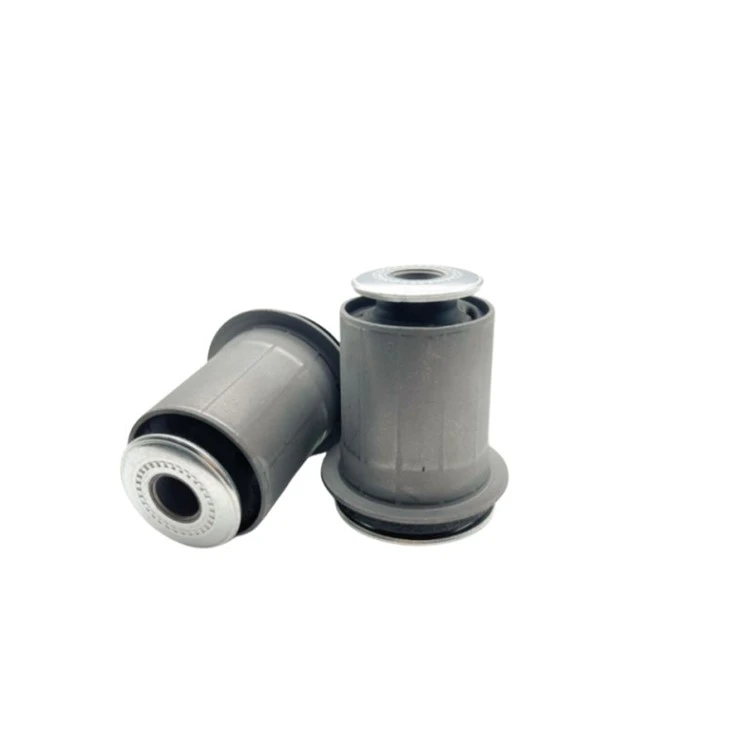

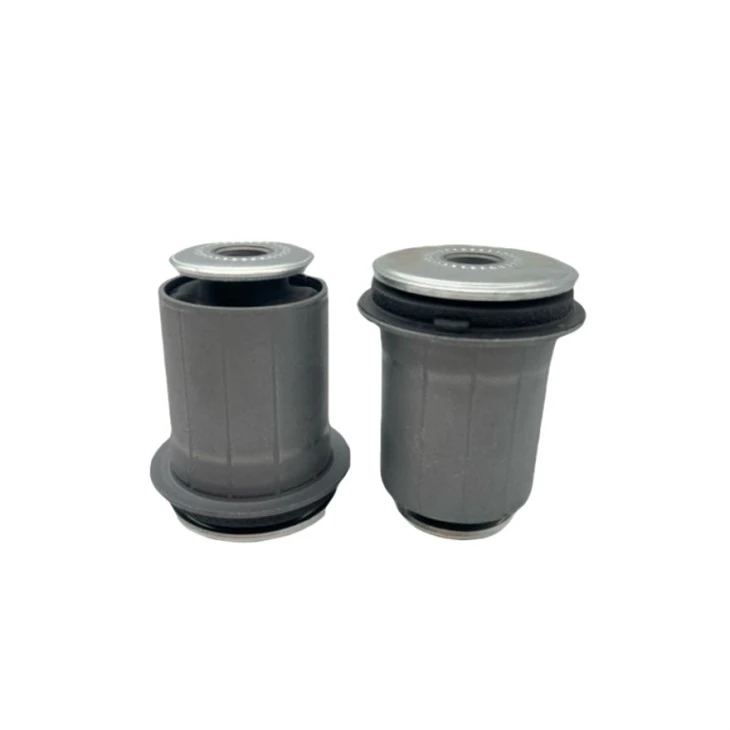
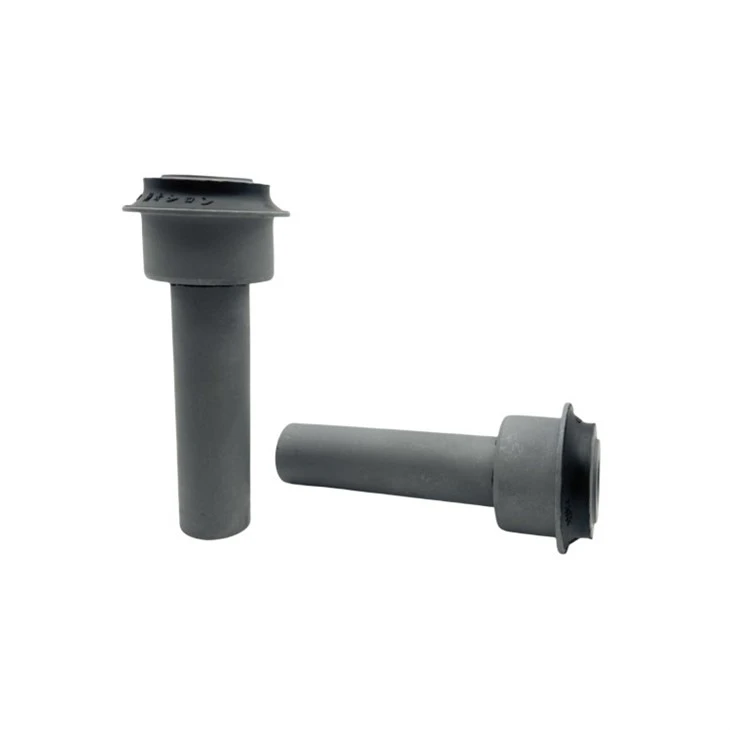
Absorption of vibration: The primary function of bushings is to absorb vibrations produced by the road and engine. This helps in reducing the noise and also provides a comfortable ride to the passengers.
Reduction of friction: Bushings are made of materials that reduce friction between the car's body and suspension components. This helps in reducing the wear and tear of the car's parts.
Transmission of loads: Car bushings transfer loads from one car part to another. This helps in maintaining the structural integrity of the car.
Noise reduction: The use of bushings also reduces the noise produced by the car. As they absorb vibrations, they prevent the car's body and suspension components from rattling and producing unwanted noise.
Smooth and stable ride: Car bushings provide a smooth and stable ride by dampening shocks and vibrations. They also ensure that the wheels maintain adequate contact with the road.
Durability: Bushings are made of materials such as rubber, polyurethane, and silicone. They are sturdy and resistant to wear and tear, which makes them durable.
Easy installation: Bushings can be easily installed by a professional mechanic or even by a diyer. They come in different sizes and shapes and can be fitted in various parts of the car.
Cost-effective solution: Bushings are an affordable solution to maintain the stability and comfort of your car. They provide a long-lasting solution to dampen noise and vibration.
Improved safety: Car bushings are essential for safe driving as they maintain the stability of the car, reduce noise and vibration, and prevent wear and tear of car parts.
Better handling: Worn-out bushings can affect the handling of the car. Replacing them with new ones can improve the car's stability, handling, and maneuverability.
How to Check of the Bushing When Maintaining a Car?
01/
Visual inspection: Start by visually inspecting the bushings for any signs of wear, damage, or deterioration. Look for cracks, tears, or deformities in the rubber material of the bushings.
02/
Check for movement: With the car raised on jack stands and the wheels off the ground, use a pry bar to check for any excessive movement in the suspension components. Excessive movement could indicate worn-out bushings.
03/
Listen for noise: While driving the car over bumps or rough roads, listen for any unusual noises coming from the suspension system. Squeaking or knocking sounds could be a sign of worn-out bushings.
04/
Check for uneven tire wear: Worn-out bushings can cause uneven tire wear due to improper alignment and suspension movement. Inspect the tires for signs of uneven wear patterns.
05/
Inspect other suspension components: Bushings work in conjunction with other suspension components such as control arms and sway bars. Inspect these components as well to ensure they are in good condition.
06/
Consult a professional: If you are unsure about how to check the bushings or if you suspect they may be worn out, it is best to consult a professional mechanic. They can perform a more thorough inspection and recommend any necessary repairs or replacements.
Will the Car Need to Be Calibrated or Adjusted After Installing the New Bushings?
After installing new bushings, it is typically necessary to calibrate or adjust the vehicle to ensure its performance and handling. This is because bushings are a part of the vehicle's suspension system, responsible for connecting and supporting various components, and they play a crucial role in the stability and handling of the vehicle.
Installing new bushings may result in changes to the vehicle's suspension system and chassis geometry, which can affect its handling, ride stability, and tire wear. Therefore, calibration or adjustment is necessary to ensure the vehicle's performance and safety.
The specific steps for calibration or adjustment may vary depending on the vehicle model and suspension system type. Generally, a technician will inspect and test the vehicle's suspension system and chassis to ensure they are working according to the manufacturer's specifications. If necessary, they may perform adjustments such as adjusting suspension height, damping settings, or wheel alignment to ensure the vehicle's performance and handling.
After installing new bushings, it is recommended to take the vehicle to a professional repair shop or service center for calibration or adjustment by experienced technicians. This will ensure the vehicle's performance, safety, and provide a better driving experience.

Our Factory
Guangzhou Delijia Auto Parts Co., Ltd located in Guangzhou, China.
Our main products are Chassis parts, Suspension Parts, Engine parts, Electrical Parts, Body parts, such as brake pads, Spark Plugs, Bearings, Bushings, Power Steering Rack, Ball Joint, shock absorber, clutch cover&disc, vane pump, camshaft pulley, belt, tensioner pulley, ignition coil, fuel injector, auto sensor, power window switch, headlight, air cleaner and so on.
FAQ
Q: How many bushings does a car have?
A: Most cars use one or two control arms per wheel, on both the front and rear suspension, with each arm housing two bushings. Many front-wheel-drive cars employ only the use of a lower control arm, whereas most bakkies and SUVs have both an upper and lower control arm.
Q: What does bushing do in a car?
A: Bushings are cushions made of rubber, polyurethane, or other materials. They get mounted on steering joints and vehicle suspension to control movement in the joints, absorb road bumps and reduce vibrations and noise. The bushings prevent metal-to-metal contact (friction) hence safeguarding the metal joints.
Q: Where do bushings go on a car?
A: A bushing is part of the suspension and steering systems and is located where the suspension pivots. A car has lots of pivot points in its steering and suspension. Think about how the front wheels go up and down over bumps as well as swivel when you turn the steering wheel.
Q: What damages car bushings?
A: Steering and suspension bushings can deteriorate over time due to stress from constant movement, friction, heat and exposure to dirt and contaminants such as road salts and lubricants.
Q: How long do bushes last on a car?
A: Unlike many other components that wear out on a car, there is no set mileage interval for replacing suspension bushings. Since worn-out rubber is the most common reason for a bad bushing, driving style and driving environment play the greatest role in how long they last.
Q: How do car bushings wear out?
A: Bushings are liable to become worn over time on various components due to friction, stress and age. Prolonged, recurrent exposure to engine heat can cause bushings to wear down at a hastened rate.
Q: Why do bushings fail?
A: Bushing leaks developing over time in operation – Most commonly, bushing leaks are caused by ageing or by improper gaskets, as well as the weak adhesion between the epoxy and the conductor.
Q: How do bushings fail?
A: They wear and crack from friction, age, heat, exposure to road salt and lubricants, and the stress of frequent movement and weight loads. Like the cartilage that protects knees and elbows, when bushings wear, it puts more stress on the joints and connected parts.
Q: What type of bushings are in a car?
A: Generally, car bushes are referred to as 'suspension bushings' however, there are many types of car bushes within a car's suspension system including: control arm bushings, leaf spring bushings, shock absorber bushings, steering rack bushings, and more generally, suspension bushings.
Q: Can I drive with bad bushings?
A: If you continue to drive with bad control arm bushings, it can lead to further damage to the suspension and steering components, which can be costly to repair. It's best to address the issue as soon as possible to avoid further damage and ensure the safety of you and your passengers while driving.
Q: How much does it cost to replace car bushes?
A: The cost of a replacement for suspension bushes will depend on the type of vehicle and the model, as well as the type of bushes that need to be replaced.
Q: What happens if I don't replace my bushings?
A: Over time, the rubber inside the bushings may deteriorate, dry rot, crack or split. When this happens, customers may experience abnormal tire wear or the steering wheel may appear to be off-center while the vehicle is traveling straight down the road.
Q: Can bad bushings cause vibration?
A: Like many wear and tear parts, the rubber they're made of (though fairly durable) wears out after over time, making older bushings very susceptible to damage. Once damaged, the part can no longer insulate vibration, causing the car to shake and shimmy.
Q: Do bad bushings squeak?
A: Bushings are rubber or polyurethane sleeves that allow your suspension component to rotate. Not only do bushings allow for rotation, but they also provide cushioning, isolate vibration, and even reduce friction between metals in your vehicle. Bushings can begin to squeak if the rubber becomes torn or dried out.
Q: Can you just replace bushings?
A: Bad bushings here can lead to popping noises, irregular wear on your tires, and a shaky steering wheel. It's relatively easy and cost-effective to replace these bushings by yourself -- with the right tools and techniques.
Q: Can you replace bushings yourself?
A: If you're doing your own work just do the bushings and ball joint. If you are hiring a shop ask them what the cost is either way. Parts and labor for bushings and ball joint might be more than a new lower control arm.
Q: Do car bushings need grease?
A: Rubber suspension bushings are an essential component of your vehicle's suspension system, as they help reduce vibrations and noise while driving. Proper maintenance of these bushings is crucial to ensure smooth and comfortable rides. One important aspect of maintaining rubber suspension bushings is lubrication.
Q: Do bushings need oil?
A: Cast bronze bushings necessitate regular lubrication maintenance, while oil-impregnated bronze bushings offer a low-maintenance solution due to their inherent self-lubricating propertie.
Q: Do shocks have bushings?
A: Shock absorber bushings come in common forms – rubber and metal. Rubber bushings are at the top and bottom of the shock absorber and are used to attach the shock to the vehicle's frame and control arm. These bushings are sometimes spherical plain bearings or rod ends in a rubber housing.
Q: What is the best bushing for a car?
A: Polyurethane bushings when put against rubber bushings, are the better alternative. Not just for repair but also for aftermarket upgrades.
We're well-known as one of the leading bushing suppliers in China. Please feel free to wholesale high-grade bushing in stock here from our factory. All customized products are with high quality and competitive price.
Steering Gear, Engine Piston for toyota, Spark plug for NGK