
Why Choose Us?
1
Quality products: We have advanced production and testing equipment, and our products meet various standards.
2
Wide range of products: Our main products are Chassis parts, Suspension Parts, Engine parts, Electrical Parts, Body parts, such as brake pads, Spark Plugs, Bearings, Bushings, Power Steering Rack, Ball Joint, shock absorber, clutch cover&disc, vane pump, camshaft pulley, belt, tensioner pulley, ignition coil, fuel injector, auto sensor, power window switch, headlight, air cleaner and so on.
3
Reliable service: Our team is committed to providing reliable and consistent service, ensuring that you receive high-quality products and customer support from us every time.
4
Professional team: The company is in possession of numbers of senior engineers and has abundant technique power, well conditioned equipment and technology comes to perfection.
-

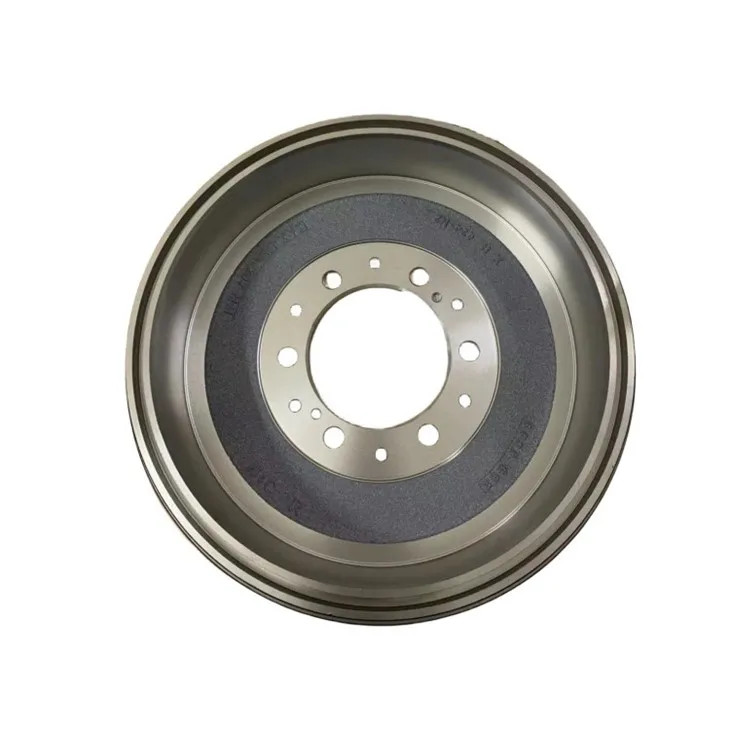
Car Brake Disc 43512-60150 for Toyota
Product Name: brake disc. OEM No.: 43512-60150, 43512-0K090, 43512-0K060, 42431-0K120, 42431-60250, 43512-60191, 40206-1LA1A. Fitment Type: 43512-60150, 43512-0K090, 43512-0K060, 42431-0K120, Add to Inquiry
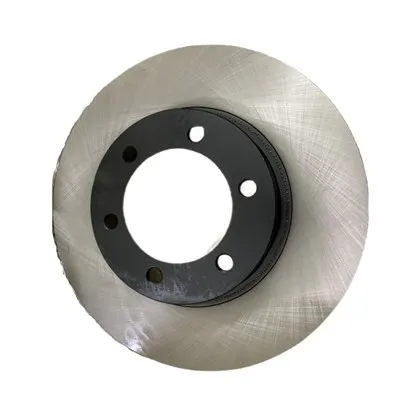

What Is Brake Disc?
A brake disc, also known as a rotor, is a crucial component of a vehicle's braking system. It is typically made of cast iron or carbon ceramic material and is attached to the wheel hub. When the brake pedal is pressed, the brake pads clamp down on the brake disc to create friction, which slows down or stops the rotation of the wheel.
Advantages of Brake Disc
1
Efficient heat dissipation: Brake discs are typically made of high-quality materials such as cast iron or carbon ceramic, which have excellent heat dissipation properties. During braking, the friction between the brake pads and the disc generates heat. The design of brake discs allows for efficient dissipation of this heat, preventing overheating and ensuring consistent braking performance.
2
Improved braking performance: Brake discs provide better braking performance compared to other types of braking systems. They offer reliable stopping power and can effectively slow down or stop a vehicle, even in emergency situations. This is essential for ensuring safety on the road.
3
Durability and longevity: Brake discs are designed to withstand high levels of stress and heat generated during braking. They are durable and have a longer lifespan compared to other braking components. With proper maintenance and care, brake discs can last for a long time without compromising their performance.
4
Reduced brake fade: Brake fade occurs when the braking system overheats, leading to a decrease in braking efficiency. Brake discs are less prone to brake fade compared to drum brakes or other types of braking systems. This is especially important during heavy or prolonged braking, such as when driving downhill or towing heavy loads.
5
Compatibility with performance upgrades: Brake discs can be easily upgraded to improve performance or accommodate larger brake calipers for enhanced stopping power. This flexibility allows vehicle owners to customize their braking system according to their specific needs and preferences.
6
Low maintenance requirements: Unlike drum brakes that require frequent adjustments and maintenance, brake discs have lower maintenance requirements. They are less susceptible to issues such as water buildup or contamination, making them easier to maintain over time.
What Material Is the Brake Disc Made Of?
They are typically made of cast iron, as it provides the necessary strength and heat resistance required for braking applications. Cast iron brake discs are durable, reliable, and cost-effective, making them the preferred choice for most vehicles on the road today.
In addition to cast iron, some high-performance vehicles may use carbon-ceramic brake discs. These discs are made from a composite material that includes carbon fibers within a ceramic matrix. Carbon-ceramic brake discs offer superior performance in terms of weight reduction, heat dissipation, and overall braking efficiency. However, they are more expensive to manufacture and are typically found in sports cars and racing vehicles.
The material used for brake discs plays a crucial role in ensuring safe and effective braking performance. Whether it's cast iron for everyday driving or carbon-ceramic for high-performance applications, choosing the right material is essential for maintaining optimal braking capabilities in any vehicle.
Types of Brake Disc
Solid disc brake
These are basic and standard brake discs, consisting of a single piece of cast iron. They are simple and efficient, but do not offer the same amount of stopping power as some other types of brake discs.
01
Vented disc brake
This type of brake disc has small fins or vanes between the two sides of the disc, allowing air to circulate through them. This design helps to dissipate heat more effectively and reduce the risk of brake fade.
02
Cross-drilled disc brake
Cross-drilled discs have small holes drilled through them, which help to dissipate heat and prevent brake fade. These discs are often found on high-performance vehicles, as they help to improve brake performance under extreme conditions.
03
Slotted disc brake
Slotted discs have grooves or slots cut into them, which help to improve brake performance by providing a surface for the pads to grip onto. This design is often found on vehicles that see a lot of heavy braking, such as sports cars and racing vehicles.
04
Ceramic disc brake
Ceramic brake discs are a high-performance option that offer superior stopping power, durability, and heat resistance. They are also lightweight and produce less dust than other types of discs. However, they are more expensive than other options and can be prone to cracking under extreme stress.
05
What Is the Braking Principle of Brake Disc?
Frictional force: The brake disc is a flat, circular component attached to the wheel hub of a vehicle. When the brake pedal is applied, the brake pads (or brake shoes) are pressed against the surface of the brake disc.
Contact pressure: The brake pads are forced against the disc with a significant amount of pressure. This pressure is generated by the brake caliper, which is actuated by the brake fluid when the brake pedal is pressed.
Kinetic energy to thermal energy: As the brake pads contact the rotating disc, friction is created between the two surfaces. This friction causes the kinetic energy of the rotating wheel to be converted into thermal energy. The result is a decrease in the rotational speed of the wheel.
Heat dissipation: The brake disc is designed with ventilation slots or holes to allow airflow and help dissipate the heat generated during braking. This helps prevent thermal overload and maintains the braking performance.
Modulation and control: The braking force can be modulated by varying the pressure applied to the brake pedal. This allows the driver to control the deceleration rate of the vehicle.
What Is the Usual Replacement Cycle for Brake Disc?
The replacement cycle for brake discs can vary depending on several factors, such as driving habits, road conditions, and the type of brake discs used. In general, brake discs are typically replaced every 50,000 to 70,000 miles (80,000 to 110,000 kilometers). However, it is important to regularly inspect the brake discs for signs of wear and damage to ensure optimal performance and safety.
Some common signs that indicate the need for brake disc replacement include:
- Deep grooves or scoring on the disc surface.
- Warping or uneven thickness of the disc.
- Excessive rust or corrosion.
- Squealing or grinding noises when braking.
- Vibrations or pulsations felt through the brake pedal
If any of these signs are present, it is recommended to have the brake discs inspected by a qualified mechanic and replaced if necessary. Regular maintenance and timely replacement of brake discs are essential for ensuring safe and reliable braking performance on your vehicle.
Features of Brake Disc
Material: Brake discs are typically made from cast iron, although some high-performance vehicles may use carbon-ceramic discs. Cast iron discs are durable, cost-effective, and provide good braking performance for most everyday driving situations.
Ventilation: Many brake discs feature ventilation holes or slots to help dissipate heat more effectively. This helps prevent brake fade and ensures consistent braking performance, especially during heavy or prolonged braking.
Design: Brake discs come in various designs, including solid discs, vented discs, and drilled discs. Vented and drilled discs offer better heat dissipation and are less prone to warping under heavy use compared to solid discs.
Coating: Some brake discs may come with a protective coating to prevent corrosion and improve longevity. Zinc plating or other anti-corrosion coatings can help maintain the appearance of the brake disc and protect it from the elements.
Weight: Lightweight brake discs can help reduce unsprung weight, which can improve handling and overall performance of the vehicle. However, it's essential to strike a balance between weight reduction and durability when choosing brake discs.
Performance: High-performance brake discs may feature advanced materials such as carbon-ceramic composites or special surface treatments to provide superior braking performance, especially under extreme conditions like racing or heavy towing.
Maintenance: Regular inspection and maintenance of brake discs are essential to ensure optimal performance and safety. This includes checking for wear, warping, cracking, or other signs of damage that may affect braking efficiency.
How to Determine if the Brake Disc Needs to Be Replaced?
Determining Whether a Brake Disc Needs to Be Replaced Involves Several Key Considerations. Here Are Some Signs and Factors That Indicate It May Be Time for a Replacement
Visual Inspection
● Look for Cracks or Deep Grooves on the Braking Surface of the Disc.
● Check for Excessive Rust or Corrosion That May Affect Braking Performance.
● Inspect the Disc's Thickness. If It Has Worn down Significantly (Usually a Few Millimeters or Less Than the Minimum Thickness Specified by the Manufacturer), It Should Be Replaced.
Braking Performance:
● If You Notice a Decrease in Braking Power or the Need to Apply More Force on the Brake Pedal to Achieve the Same Braking Effect, It Could Indicate Worn-Out Brake Discs.
● Vibration or Pulsing Through the Brake Pedal During Braking Can Be a Sign of Warped or Unevenly Worn Brake Discs.
Noise
Squealing or Grinding Noises When Braking Can Indicate That the Brake Pads Are Worn and May Soon Damage the Brake Disc if Not Replaced in Time. However, These Noises Can Also Be Caused by Other Components, Such as Worn Brake Calipers or Contaminated Brake Pads.
Mileage and Time
Brake Discs Have a Limited Lifespan and May Need to Be Replaced Based on Mileage or Time, Even if They Don't Show Obvious Signs of Wear. Refer to Your Vehicle's Maintenance Schedule or Manufacturer Recommendations for Guidance.
Professional Inspection
Have a Professional Mechanic Inspect the Brake System Regularly. They Can Measure the Thickness of the Brake Discs, Check for Uneven Wear Patterns, And Assess the Overall Condition of the Braking Components.
How to Choose Brake Disc?
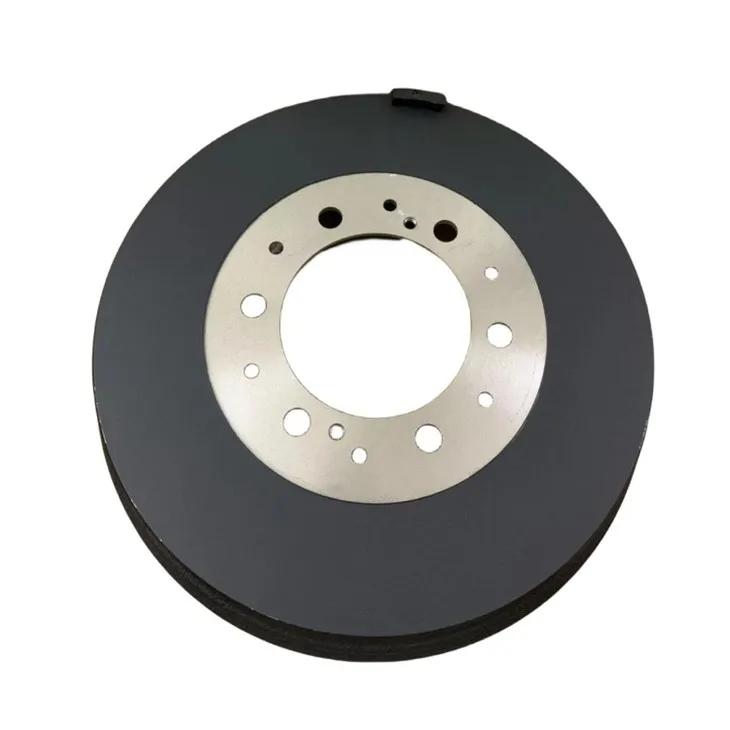
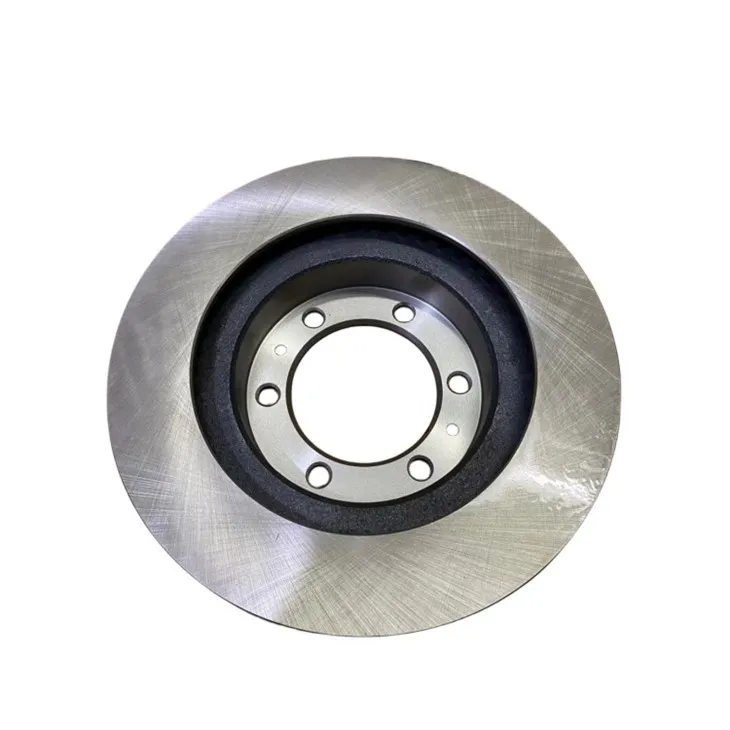
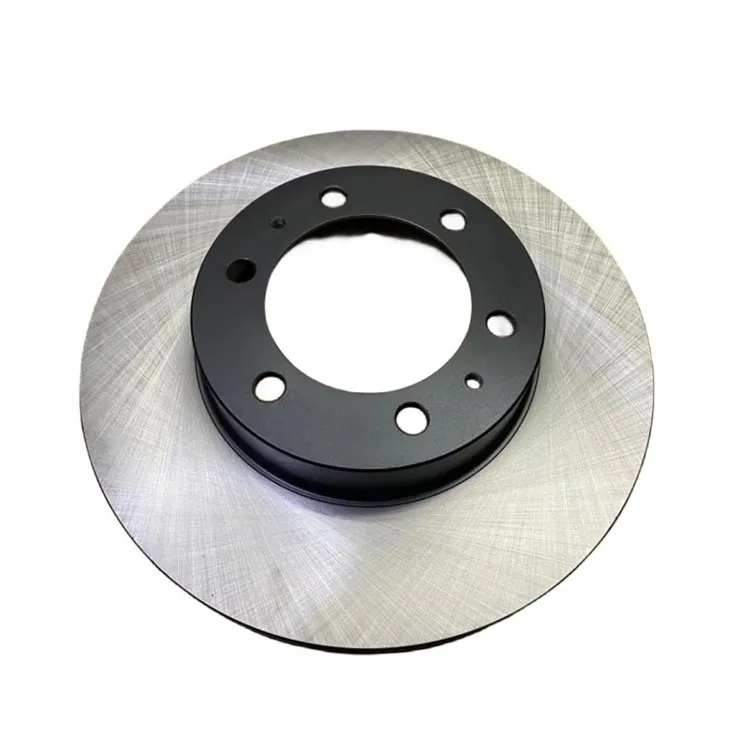
Material: Brake discs are typically made from either cast iron, carbon composite, or ceramic materials. Cast iron discs are the most common and affordable option, providing good overall performance. Carbon composite discs offer improved braking performance and durability, but come at a higher cost. Ceramic discs provide the best performance in terms of heat resistance and longevity, but they are also the most expensive.
Size: The size of the brake disc plays a crucial role in determining braking performance. Larger discs have more surface area for heat dissipation, which helps prevent brake fade during heavy braking. Make sure to choose a disc size that is compatible with your vehicle's braking system.
Ventilation: Ventilated brake discs have vanes or holes that allow for better heat dissipation, reducing the risk of brake fade and improving overall braking performance. Solid discs are simpler and more affordable, but may not be as effective during intense driving conditions.
Cross-drilled or slotted: Some brake discs feature cross-drilled or slotted patterns on the surface. These designs help dissipate heat more effectively, reduce brake fade, and prevent the buildup of gases between the disc and brake pads. However, it's important to note that cross-drilled discs may be more prone to cracking under heavy use.
Brand and quality: It's essential to choose brake discs from reputable brands known for their quality and reliability. Investing in high-quality brake discs may cost more upfront but can ultimately save you money by lasting longer and providing better performance.
Driving conditions: Consider your typical driving conditions when selecting brake discs. If you frequently drive in stop-and-go traffic or engage in spirited driving, you may want to opt for high-performance brake discs that can withstand intense use.
Compatibility: Ensure that the brake discs you choose are compatible with your vehicle's make and model. Check manufacturer specifications or consult with a professional mechanic to determine the right fit for your car.
How to Design the Heat Dissipation Performance of Brake Disc?
Designing the heat dissipation performance of a brake disc involves several factors that contribute to effective heat management during braking. Here are some key considerations for optimizing the heat dissipation of a brake disc:
1
Material selection: Choose a material with high thermal conductivity to allow heat to be efficiently transferred away from the braking surface. Common materials for brake discs include cast iron, steel, and carbon-ceramic composites.
2
Disc thickness: The thickness of the brake disc should be sufficient to absorb and distribute the heat generated during braking. Thinner discs may heat up more quickly but may also cool down faster. Thicker discs can better withstand heat but may add weight and inertia.
3
Ventilation slots or holes: Design ventilation slots or holes in the disc to promote airflow and enhance heat dissipation. This helps to carry away heat from the disc's surface, reducing the risk of thermal overload.
4
Disc geometry: Optimize the disc's geometry to maximize heat dissipation. Features such as grooves, fins, or wavy patterns can increase the surface area and improve heat transfer.
5
Cooling system integration: Incorporate a cooling system, such as a water-cooling jacket or air-cooling fins, to actively cool the brake disc. This can be particularly useful in high-performance applications where braking is frequent and intense.
6
Thermal expansion considerations: Take into account the thermal expansion of the disc material during braking. Design the disc and its mounting system to accommodate this expansion without causing warping or failure.
7
Simulation and testing:: Utilize thermal simulation software to analyze the heat distribution and dissipation characteristics of the brake disc design. This can help identify potential heat-related issues early in the design process.Conduct physical testing, including bench testing and real-world driving tests, to validate the heat dissipation performance of the brake disc.
What Should We Pay Attention to When Installing and Maintaining Brake Disc?
Proper installation
Ensure that the brake discs are installed correctly according to the manufacturer's specifications. Make sure the brake discs are clean and free of any contaminants before installation.
Torque specifications
Use a torque wrench to tighten the bolts to the manufacturer's recommended torque specifications. Over-tightening or under-tightening can lead to brake disc warping or uneven wear.
Quality of brake discs
Use high-quality brake discs that meet industry standards and are compatible with your vehicle. Inferior quality brake discs can lead to reduced braking performance and safety risks.
Regular inspection
Periodically inspect the brake discs for signs of wear, warping, or damage. Replace the brake discs if they are worn beyond the specified limit or if any damage is detected.
Brake pad compatibility
Ensure that the brake pads are compatible with the type of brake discs being used. Using incompatible brake pads can lead to uneven wear and reduced braking efficiency.
Proper bedding-in process
Follow the manufacturer's recommendations for bedding-in new brake discs and pads. Proper bedding-in helps to ensure optimal performance and longevity of the braking system.
Avoiding overheating
Avoid excessive or prolonged braking that can lead to overheating of the brake discs. Overheating can cause warping, cracking, or glazing of the brake discs, compromising their effectiveness.
Regular maintenance
Keep the braking system well-maintained by checking for leaks, proper fluid levels, and overall system integrity. Regular maintenance helps to prevent potential issues and ensures optimal performance.

Our Factory
Guangzhou Delijia Auto Parts Co., Ltd located in Guangzhou, China.
Our main products are Chassis parts, Suspension Parts, Engine parts, Electrical Parts, Body parts, such as brake pads, Spark Plugs, Bearings, Bushings, Power Steering Rack, Ball Joint, shock absorber, clutch cover&disc, vane pump, camshaft pulley, belt, tensioner pulley, ignition coil, fuel injector, auto sensor, power window switch, headlight, air cleaner and so on.
FAQ
Q: What is a brake disc?
A: A brake disc is a round, flat metal component that is part of a vehicle's braking system.
Q: What is the purpose of a brake disc?
A: The brake disc works with the brake pads to slow down or stop the rotation of the wheels when the brakes are applied.
Q: What materials are brake discs made of?
A: Brake discs are commonly made of cast iron, carbon composite, or ceramic materials.
Q: How does a brake disc work?
A: When the brakes are applied, the brake pads clamp down on the spinning brake disc, creating friction that slows down or stops the vehicle.
Q: What are the signs of a worn-out brake disc?
A: Signs of a worn-out brake disc include squeaking or grinding noises when braking, vibrations in the steering wheel, and longer stopping distances.
Q: How often should brake discs be replaced?
A: Brake discs should be inspected regularly and replaced if they are worn beyond the manufacturer's recommended thickness.
Q: Can you resurface a brake disc?
A: In some cases, a brake disc can be resurfaced to remove minor imperfections and extend its lifespan. However, this is not always recommended depending on the severity of wear.
Q: What is the difference between drilled and slotted brake discs?
A: Drilled brake discs have holes drilled into them to dissipate heat more effectively, while slotted discs have grooves machined into them to improve braking performance in wet conditions.
Q: Are aftermarket performance brake discs worth it?
A: Aftermarket performance brake discs can offer improved braking performance and durability for high-performance vehicles or driving conditions.
Q: How do you know if your brake discs are warped?
A: Warped brake discs can cause vibrations in the steering wheel or pulsating sensations when braking. A mechanic can measure runout to determine if a disc is warped.
Q: Can you replace just one brake disc at a time?
A: It is generally recommended to replace both front or rear brake discs at the same time to ensure balanced braking performance on both sides of the vehicle.
Q: How long does it take to replace a set of brake discs?
A: The time it takes to replace a set of brake discs can vary depending on the vehicle make and model, but it typically takes 1-2 hours per axle for professional mechanics.
Q: Are ceramic brake discs better than cast iron ones?
A: Ceramic brake discs offer superior heat resistance and durability compared to cast iron ones, making them ideal for high-performance vehicles or heavy-duty applications.
Q: Can you paint or coat your brake discs?
A: It is not recommended to paint or coat your brake discs as this can affect their ability to dissipate heat properly and compromise braking performance.
Q: How do you break in new brake pads and discs?
A: To break in new brake pads and discs, gradually apply light pressure on the brakes for several stops to allow them to seat properly without overheating.
Can you upgrade your vehicle's stock brakes with larger discs? Upgrading your vehicle's stock brakes with larger discs can improve braking performance by increasing stopping power and heat dissipation capabilities.
Q: Do all vehicles have front and rear brake discs?
A: Most modern vehicles have front and rear disc brakes for balanced braking performance, but some older models may still use drum brakes on one axle.
Q: What causes uneven wear on a set of brake discs?
A: Uneven wear on a set of brake disks can be caused by factors such as misaligned calipers, worn suspension components, or driving with a heavy foot on the brakes.
Q: Are cross-drilled rotors better than standard rotors for street driving?
A: Cross-drilled rotors can offer improved cooling capabilities for aggressive driving conditions but may not be necessary for everyday street driving due to potential cracking issues under heavy use.
Q: How do you maintain your vehicle's brake system to prolong the life of your Brake Discs?
A: To maintain your vehicle's Brake Discs,regularly inspect them for wear,replace worn-out components promptly,and follow proper bedding-in procedures when installing new Brake.
We're well-known as one of the leading brake disc suppliers in China. Please feel free to wholesale high-grade brake disc in stock here from our factory. All customized products are with high quality and competitive price.
starter for toyata, steering gear 44200 0K040, auto oil seal