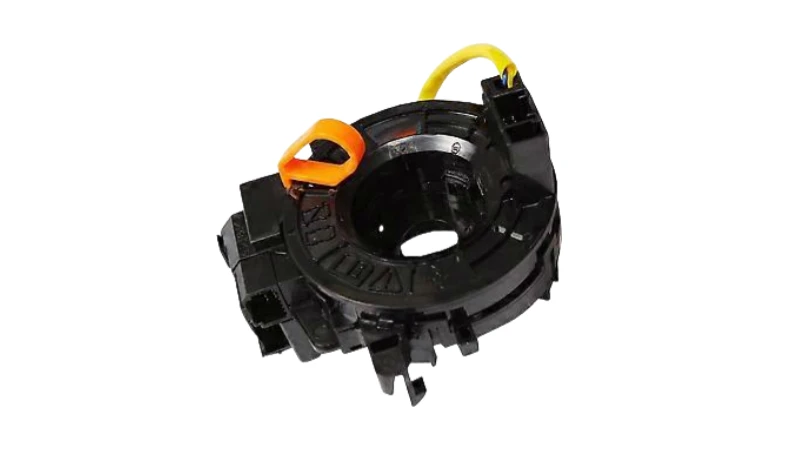
The airbag spiral cable clock spring plays a crucial role in modern vehicles. It connects the steering wheel to the car's electrical system, allowing the steering wheel to rotate while maintaining a stable electrical connection. This component is essential for the proper functioning of the airbag system, horn, and other steering wheel controls, such as volume adjustment and cruise control. While it is often hidden behind the steering wheel, its importance cannot be overstated, as it directly impacts the safety features of your vehicle.
How Does the Spiral Cable Clock Spring Work?
The clock spring consists of a flat, spiral-shaped electrical cable that enables the transfer of electrical signals as the steering wheel turns. Its design ensures that the cable can extend and retract with the steering wheel's rotation, maintaining an uninterrupted electrical connection.
1. Cable Structure
The spiral cable is made from a flat conductive wire, which is coiled into a spiral. This design allows the cable to withstand repeated rotations without losing its flexibility or connectivity. As the steering wheel turns, the cable stretches or recoils, ensuring a continuous electrical connection.
2. Working Principle
As you turn the steering wheel, the spiral cable unravels or recoils with the wheel's movement. This allows the electrical signal to continue flowing to essential systems like the airbag, horn, and other steering wheel-mounted controls, ensuring they remain functional even while the wheel rotates.
3. Electrical Functionality
The clock spring doesn't just provide a mechanical connection; it also ensures stable electrical signals are transmitted. For instance, the airbag system requires an uninterrupted connection to deploy correctly in the event of a collision, and the horn must always be functional. The clock spring ensures these systems stay connected and operational.
Common Symptoms of a Faulty Spiral Cable Clock Spring
A faulty clock spring can result in several issues with your vehicle's electrical systems. Recognizing these symptoms early can help you address the problem before it affects your safety.
1. Airbag Warning Light
One of the most common signs of a faulty clock spring is the airbag warning light appearing on your dashboard. Since the airbag system relies on the clock spring to maintain its connection, a malfunctioning clock spring can prevent the airbag from activating, triggering the warning light.
2. Steering Wheel Controls Malfunctioning
If the buttons on your steering wheel (such as volume control or cruise control) stop working, it may be due to a damaged clock spring. These buttons rely on the electrical connection provided by the clock spring, and any interruption can cause them to fail.
3. Horn Not Working
A faulty clock spring can cause the horn to stop functioning. The horn is an essential safety feature, and a malfunctioning clock spring can interrupt the electrical connection between the steering wheel and the horn.
4. Unusual Noises or Resistance
If you hear strange noises or feel increased resistance when turning the steering wheel, it could be a sign of a damaged clock spring. The cable may be worn or twisted, causing friction and unusual sounds or difficulty turning the wheel.
5. Increased Steering Resistance
In some cases, a faulty clock spring can cause the steering wheel to feel stiff or resistant when turned. This could indicate that the clock spring's internal structure is damaged and no longer able to function properly.
Tips for Maintaining the Spiral Cable Clock Spring
Maintaining the clock spring can help extend its lifespan and ensure it continues to function correctly. Regular checks and some basic preventive care can go a long way in preventing issues.
1. Avoid Over-Turning the Steering Wheel
Try to avoid excessively turning the steering wheel when the vehicle is stationary. Over-rotating can put unnecessary pressure on the clock spring and cause it to wear out faster. Be mindful of how far you turn the wheel, especially when parking.
2. Regular Inspections
It's advisable to have the clock spring inspected during regular vehicle maintenance. If the airbag warning light comes on or the steering wheel controls stop working, ask a mechanic to check the clock spring. Early detection can help prevent further damage and reduce repair costs.
3. Ensure Proper Alignment During Steering Wheel Removal
If you need to remove or reinstall the steering wheel, ensure that the clock spring is properly aligned. Misalignment can damage the clock spring, affecting the electrical connection and causing malfunctions.
4. Replace the Faulty Clock Spring
If you notice any signs of wear or malfunction, it's crucial to replace the clock spring promptly. Since it plays a critical role in the vehicle's safety systems, replacing a faulty clock spring as soon as possible is key to avoiding more serious issues.
Keeping Your Vehicle's Safety Systems in Optimal Condition
The spiral cable clock spring, while a small and often overlooked component, is vital for the proper operation of the vehicle's safety systems. By understanding its function, recognizing the symptoms of a malfunction, and performing regular maintenance, you can ensure that your car's safety features remain fully operational, keeping you and your passengers safe.