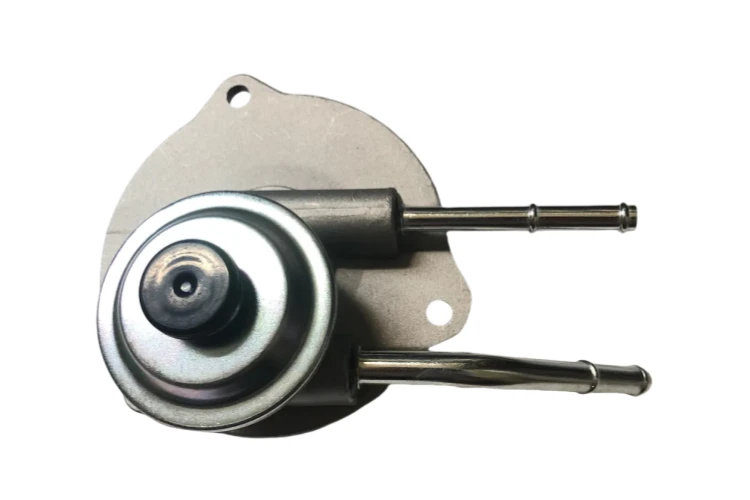
In modern vehicles, the fuel pump is the unsung hero that keeps the engine running smoothly. Although often overlooked, it plays a vital role in ensuring everything operates efficiently. Let's explore how this small component works, what issues may arise, and how to extend its lifespan.
What Exactly Is a Fuel Pump?
Simply put, the fuel pump is responsible for transferring fuel from the gas tank to the engine. It is one of the core components of the modern fuel system, ensuring that the engine receives a steady supply of fuel, whether you're driving through city streets or on the highway. Most vehicles today use an electric fuel pump, which is typically located inside or near the fuel tank and activates automatically as the vehicle runs.
How Does It Work? The Key Lies in Precise Fuel Pressure Control
The fuel pump's working principle is relatively simple but involves several precise steps. Here's an overview of its main processes:
- Fuel Transfer from Tank to Engine
When you start the engine, the car's electronic control unit (ECU) activates the fuel pump. The pump draws fuel from the tank and sends it through the fuel lines to the fuel injection system.
- Stable Fuel Pressure is Crucial
The fuel pump delivers fuel at a stable pressure to the engine's fuel injection system. If the pressure is too low, the engine will lack power; if it's too high, it could damage the fuel injectors.
- Fine-Tuning by the Fuel Pressure Regulator
The fuel pump works with the fuel pressure regulator to adjust the fuel pressure, ensuring that the engine gets the right amount of fuel for various driving conditions.
Is Your Fuel Pump Sending "Warning Signals"?
While fuel pumps are generally durable, they can experience problems over time. Here are some signs that something might be wrong:
- Difficulty Starting the Engine or Failure to Start
If the fuel pump isn't working properly, fuel won't reach the engine in time, which could result in difficulty starting the engine or complete failure to start.
- Loss of Power and Sluggish Acceleration
When the fuel pump doesn't provide enough pressure, the engine may struggle to get the fuel it needs, resulting in noticeable sluggishness during acceleration.
- Engine Stalling or Rough Idle
An unstable fuel supply can cause the engine to misfire, shake, or even stall, especially during low-speed driving or idling.
- Unusual Noises from the Fuel Pump
If the fuel pump is faulty, it may produce abnormal sounds, typically from the motor inside the pump or due to internal wear.
How to Keep Your Fuel Pump Running Smoothly
To ensure your fuel pump works properly and lasts longer, here are some preventive measures you can take:
- Regularly Check the Fuel System
Keeping the fuel filter clean and replacing it when necessary is crucial to prevent debris from reaching the fuel pump. Also, regularly inspect the fuel lines and injectors to avoid leaks and other potential issues.
- Keep Your Fuel Tank at a Healthy Level
Try to avoid letting your fuel tank get too low. The pump relies on the fuel to cool and lubricate itself, so running the tank nearly empty can cause overheating and premature pump failure.
- Use Quality Fuel
Low-quality fuel can introduce contaminants into the fuel pump, causing clogs or damage. Always choose reputable gas stations to ensure you're getting clean fuel.
- Address Issues Early
If you notice the oil pressure warning light turning on or hear strange sounds from the fuel pump, it's essential to have the system checked and repaired promptly. Fixing minor issues early can help prevent more significant problems down the line.
- Pay Attention to Warning Lights
Many modern cars are equipped with a fuel pressure monitoring system, which will light up if the pressure drops too low. If this happens, check the fuel system to ensure the pump and other components are functioning properly.
Why Is the Fuel Pump So Important?
The fuel pump may be small, but it plays an essential role in the fuel system of your vehicle. It ensures that the engine receives a steady and sufficient fuel supply, which keeps your car running smoothly. Understanding how your fuel pump works, recognizing common issues, and following preventive maintenance tips will help you extend its lifespan and avoid unnecessary breakdowns.