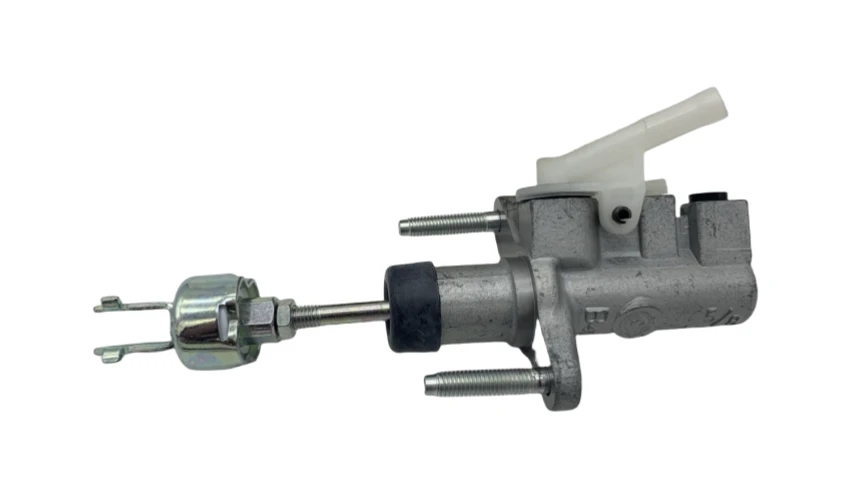
The clutch master cylinder is an essential component of a vehicle's clutch system, responsible for transferring force from the clutch pedal to engage or disengage the clutch. By understanding how this part functions and recognizing signs of potential issues, you can better maintain your vehicle's performance and avoid costly repairs.
1. What is a Clutch Master Cylinder?
The clutch master cylinder is a hydraulic device that connects the clutch pedal to the clutch slave cylinder, which then acts on the clutch fork to engage or disengage the transmission. This component is typically made from a durable metal or composite material, designed to withstand high pressure. When the clutch pedal is pressed, the master cylinder converts this force into hydraulic pressure, which travels through the hydraulic fluid to operate the clutch system.
2. How Does the Clutch Master Cylinder Work?
The clutch master cylinder operates through a hydraulic mechanism. When you press down on the clutch pedal, the following process occurs:
- Compression of Hydraulic Fluid: The force exerted on the pedal compresses hydraulic fluid inside the master cylinder. This fluid moves through a line toward the slave cylinder, creating a consistent force transfer.
- Activation of the Clutch Fork: The pressure from the fluid activates the clutch slave cylinder, which in turn pushes the clutch fork to disengage the clutch.
- Smooth Engagement: When the clutch pedal is released, the hydraulic pressure decreases, and the system returns to its resting position, allowing the clutch to engage smoothly with the flywheel.
This hydraulic system is critical for providing the controlled, smooth engagement and disengagement needed for effective gear shifts.
3. How to Know if Your Clutch Master Cylinder is Bad
A failing clutch master cylinder can lead to poor clutch performance or, in extreme cases, make it difficult to shift gears entirely. Here are some common signs of a failing clutch master cylinder:
- Spongy or Soft Pedal Feel: If the clutch pedal feels softer than usual or fails to return smoothly, this may indicate an issue with hydraulic pressure caused by a worn-out master cylinder.
- Difficulty Shifting Gears: Hard or grinding gear shifts can also signal a failing master cylinder. Without adequate hydraulic pressure, the clutch may not fully disengage, making shifts harder.
- Hydraulic Fluid Leaks: Leaks around the clutch pedal area or near the master cylinder can indicate a crack or seal issue within the cylinder, which prevents it from maintaining the necessary pressure.
- Low or Contaminated Fluid: If you frequently find the clutch reservoir low or notice a dark or dirty fluid, it's possible the master cylinder is degrading internally, releasing debris into the hydraulic system.
- Unusual Sounds: Squeaking or hissing sounds when pressing the clutch pedal can also point to a failing clutch master cylinder, often due to leaks or worn seals.
4. Maintaining Your Clutch Master Cylinder
Regular maintenance of the clutch hydraulic system can extend the lifespan of the master cylinder. Checking fluid levels, ensuring the reservoir is topped with clean hydraulic fluid, and addressing leaks promptly can prevent more serious issues. Additionally, replacing the hydraulic fluid every few years can help keep the system clean and functioning efficiently.