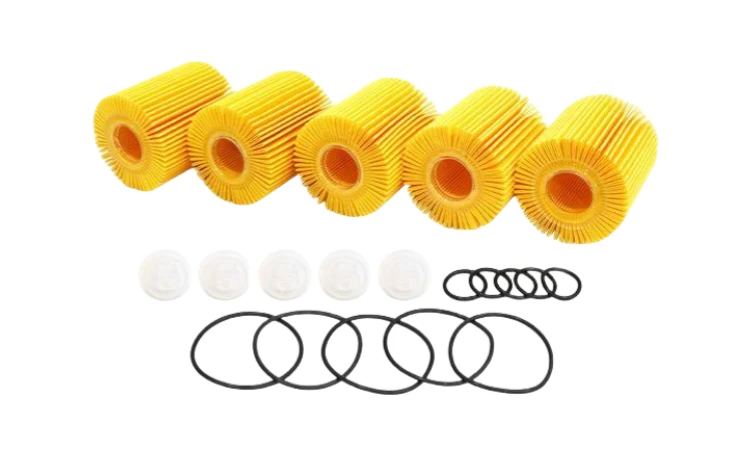
The oil filter is a critical component in automotive engines, primarily responsible for removing impurities and particles from the engine oil. This helps maintain the oil's cleanliness, prolonging engine life and enhancing performance. In this article, we'll explore the working principles of oil filters, common issues they may face during operation, and essential maintenance tips to keep them functioning optimally.
1. How Oil Filters Work
The oil filter uses a specialized filtering material to capture contaminants within the engine oil. Its operation can be summarized as follows:
- Filtering Impurities: As oil circulates back through the engine, the filter traps tiny particles, including dust, metal fragments, and other pollutants. This is typically achieved through synthetic fiber or paper-based filter media.
- Maintaining Oil Flow: Oil filters are designed to ensure adequate flow rates so that the engine receives consistent lubrication even as impurities are removed.
- Preventing Backflow: Many oil filters have a check valve that prevents oil from flowing backward when the engine is turned off, which helps maintain a clean oil system.
Through this filtration process, the oil filter plays a vital role in safeguarding the engine from harmful contaminants, thus extending its operational lifespan.
2. Common Issues with Oil Filters
Over time, oil filters may experience certain issues that can compromise their filtration efficiency:
- Clogging: As the filter accumulates contaminants, it can become clogged, reducing oil flow and leading to insufficient lubrication.
- Leakage: Improper installation or low-quality filters may result in poor sealing, causing oil leaks that affect engine performance.
- Pressure Valve Malfunctions: Some filters include a bypass valve, which allows oil to continue flowing if the filter becomes clogged. However, if the valve malfunctions, unfiltered oil may enter the engine, increasing the risk of wear.
- Limited Service Life: The filtration capacity of an oil filter is finite; over time, its effectiveness diminishes, resulting in more contaminants in the oil.
3. Oil Filter Maintenance Tips
Regular inspections and timely replacement of the oil filter are crucial for keeping the engine running smoothly. Here are some key maintenance tips:
- Replace Regularly: It's generally recommended to change the oil filter every 5,000 to 10,000 kilometers or whenever the oil is changed. This ensures the filter operates at peak efficiency.
- Opt for High-Quality Filters: High-quality oil filters offer superior filtration and a longer lifespan, reducing the risk of leaks and improper sealing.
- Check Installation: When installing an oil filter, ensure the seal is intact and properly positioned to prevent any oil leaks.
- Monitor Oil Condition: Keep an eye on the color and viscosity of the oil. Darkened oil or a change in viscosity may indicate the filter is saturated and requires replacement.
Ensuring Optimal Oil Filter Performance
As an essential part of the engine system, the oil filter's filtration quality is directly tied to engine performance and durability. By selecting reliable filters and performing regular maintenance, you can significantly reduce engine wear and improve driving safety. Quality oil filters and proactive care are key to sustaining your vehicle's long-term reliability and smooth operation.