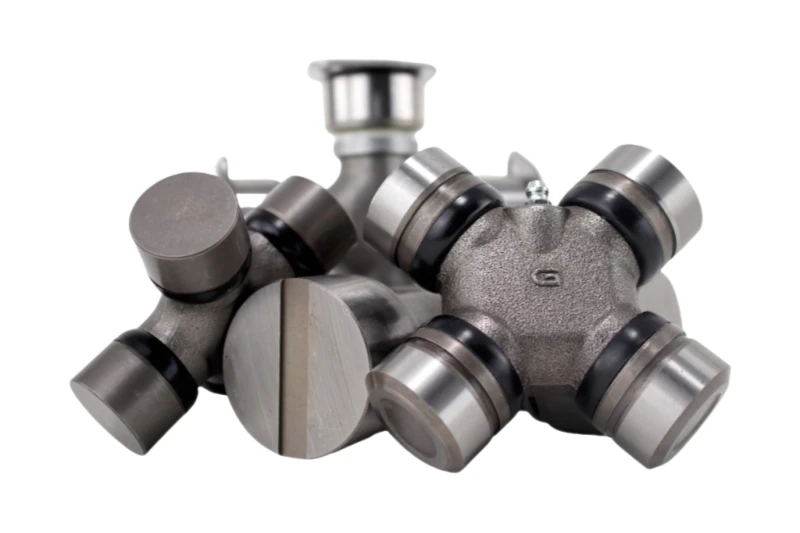
What Are Universal Joints?
Universal joints (often referred to as U-joints) are mechanical components used to connect two shafts that are not in line with each other. They allow for the transfer of torque and rotational motion between shafts that are not perfectly aligned, accommodating angular misalignment between them. U-joints are commonly used in various applications, including:
- Drive shafts in vehicles: To connect the engine to the wheels, allowing for movement and flexibility in the vehicle's drivetrain.
- Industrial machinery: To connect different components and allow for flexibility in mechanical systems.
- Agricultural equipment: To connect different parts of farming machinery.
Symptoms of Bad Rear Universal Joints
A bad rear universal joint can cause several symptoms that affect the performance and safety of a vehicle. Here are common signs to look out for:
- Clunking or Knocking Noise: A distinct clunking or knocking noise when accelerating, decelerating, or shifting gears often indicates a failing U-joint. This noise is usually due to excessive play or wear in the joint.
- Vibration: If you experience unusual vibrations coming from the rear of the vehicle, especially at higher speeds, it may be due to a worn or damaged U-joint. These vibrations can be felt through the seat or steering wheel.
- Difficulty in Turning: Bad U-joints can cause difficulty when turning, with the vehicle feeling jerky or having a noticeable lag in response.
- Excessive Play: If you notice excessive play or movement in the drive shaft when it is rotated by hand, the U-joint may be worn out. This can be checked by lifting the vehicle and rotating the drive shaft manually.
- Grease Leaks: Some U-joints are greased and sealed. If you see grease leaking from the U-joint area or notice a lack of lubrication, it might indicate a problem with the joint.
- Clunking During Gear Changes: A clunking sound when shifting gears or when the vehicle is in gear can be a sign of a failing U-joint.
- Squeaking or Grinding Noise: Squeaking or grinding noises when the vehicle is in motion, especially when accelerating or decelerating, can also indicate U-joint issues.
- Misalignment or Vibration at Specific Speeds: If the vehicle experiences vibration at certain speeds, but not at others, this could be due to a misaligned or damaged U-joint.
What to Do if You Suspect a Problem
If you suspect that your rear universal joint is failing, it's important to address the issue promptly. A damaged U-joint can lead to more severe mechanical problems, including damage to the drive shaft and differential, or even cause a drive shaft to disconnect while driving, which can be dangerous. Here's what you should do:
- Inspection: Have the U-joints inspected by a qualified mechanic. They can check for excessive play, noise, and other signs of wear.
- Replacement: If the U-joint is found to be faulty, it should be replaced immediately. This repair involves removing the old joint and installing a new one, which is typically a straightforward process for a professional mechanic.
- Maintenance: Regularly inspect and maintain U-joints, including checking for proper lubrication, to prevent premature wear and extend their lifespan.
Addressing U-joint issues early can help avoid more costly repairs and ensure the safe operation of your vehicle.