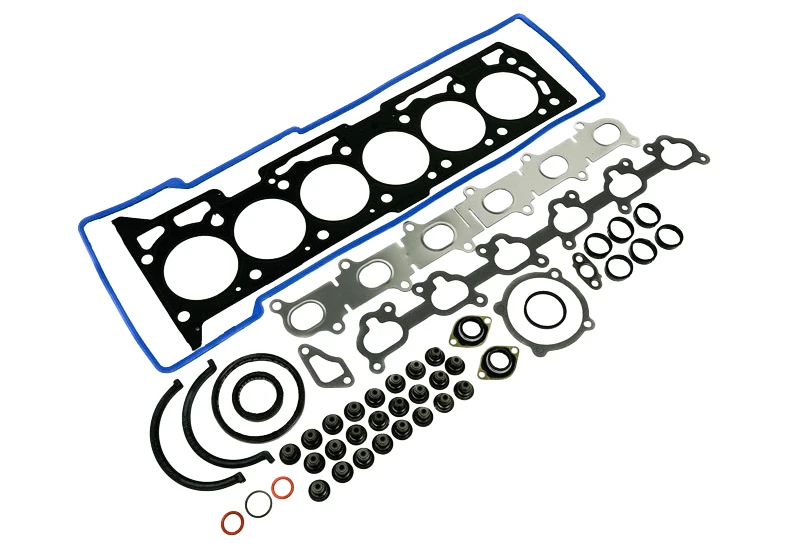
Understanding Gasket Kits in a Car
In a car, gasket kits refer to sets of gaskets and seals used throughout the engine and other critical systems. Gaskets are essential because they create seals between mating surfaces, preventing leaks of fluids or gases. Common types include head gaskets, valve cover gaskets, intake manifold gaskets, exhaust manifold gaskets, and oil pan gaskets.
When Should Gaskets be Replaced?
Gaskets in a car should be replaced under several circumstances:
- Leaks: If you notice oil, coolant, or exhaust leaks around gasketed areas, it indicates gasket failure and necessitates replacement to prevent fluid loss and engine damage.
- Overheating: A failing head gasket can lead to engine overheating due to coolant leaks into the combustion chamber or compression loss between cylinders.
- Excessive Mileage: With time and mileage, gaskets can wear out. It's advisable to inspect and replace gaskets during major services or if visual inspection reveals wear, brittleness, or damage.
- Visible Wear or Damage: Cracks, breaks, or compressed areas on gaskets indicate they are no longer effective and should be replaced.
- Engine Performance Issues: Issues such as misfires, rough idling, or loss of power can sometimes be due to faulty gaskets affecting air or fluid flow within the engine.
- Coolant or Oil Contamination: Mixing of coolant with engine oil or vice versa (evident as a milky appearance on the dipstick or oil cap) can indicate a leaking head gasket or other gasket-related problem.
- Service Interval: Some gaskets have manufacturer-recommended replacement intervals based on mileage or years of use. Head gaskets, for example, may require replacement after a certain period to prevent potential failures.
- Diagnostic Tests: If diagnostic tests reveal gasket-related issues, such as uneven cylinder pressure during a compression test or leaks indicated by a smoke test, it's crucial to replace the affected gaskets promptly.
How to Replace Gaskets in a Car
Tools and Materials Needed:
- Gasket kit specific to your vehicle model.
- Wrenches or sockets set.
- Gasket scraper or razor blade.
- Cleaning solvent (such as brake cleaner).
- Torque wrench.
- Replacement fluids (if draining is necessary).
Step-by-Step Procedure:
1. Prepare the Vehicle:
Park on a level surface and allow the engine to cool. Disconnect the battery.
2. Identify and Access the Gasket:
Determine which gasket(s) need replacement based on symptoms or maintenance schedule. Remove necessary components to access the gasket.
3. Remove Old Gasket:
Carefully scrape off the old gasket using a scraper or razor blade. Take care not to damage mating surfaces.
4. Clean Mating Surfaces:
Thoroughly clean surfaces with a solvent to remove old gasket material and debris. Ensure surfaces are dry and free of oil or grease.
5. Install New Gasket:
Place the new gasket onto the cleaned surfaces. Use a gasket adhesive or sealant if specified in the kit instructions.
6. Reassemble Components:
Reinstall removed components. Tighten bolts to manufacturer-specified torque settings.
7. Check for Leaks:
Start the engine and inspect for leaks around the replaced gasket(s). Monitor fluids and ensure proper operation.
8. Test Drive and Final Inspection:
Take a short test drive to verify performance. Double-check all connections and re-torque bolts if necessary.
Tips and Precautions:
- Quality Parts: Always use high-quality gaskets to ensure proper sealing and durability.
- Follow Instructions: Refer to your car's service manual or gasket kit instructions for specific torque settings and procedures.
- Safety: Use appropriate safety gear, like gloves and safety glasses, especially with cleaning solvents and sharp tools.
By following these steps and guidelines, you can effectively replace gaskets in your car, ensuring continued reliability and performance. If uncertain, it's wise to consult a professional mechanic for assistance. Regular maintenance and timely replacement of gaskets can prevent more significant issues and extend the life of your vehicle.