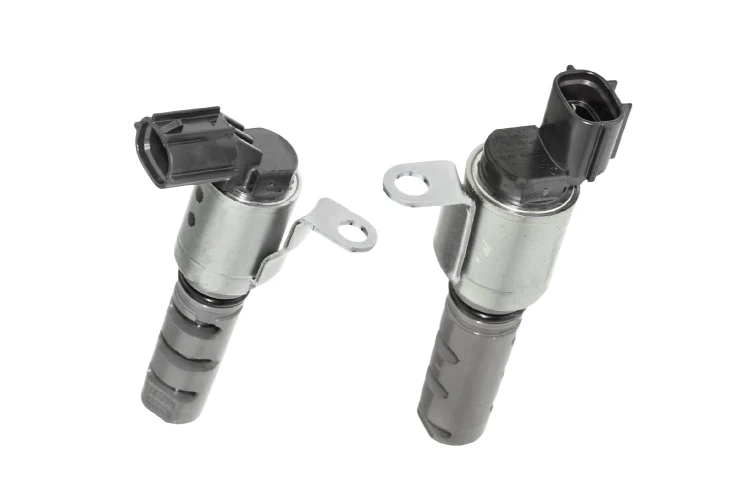
The Oil Control Valve (OCV) plays a crucial role in the efficient functioning of modern automotive engines, particularly those equipped with variable valve timing (VVT) systems. This component is responsible for regulating the flow of engine oil to the camshaft actuator, allowing for optimal adjustment of the engine's intake and exhaust valve timing. Understanding how the OCV works, its significance, and potential issues can help vehicle owners maintain engine performance and efficiency.
Function of the Oil Control Valve
The Oil Control Valve, often referred to as a VVT solenoid, is an electromechanical device that controls the amount of oil sent to the VVT system. In modern engines, especially those with variable valve timing systems like Toyota's VVT-i or Honda's VTEC, the OCV is critical for adjusting the valve timing according to the engine's operating conditions.
Breakdown of its main functions:
- Regulating Camshaft Position: The OCV adjusts the camshaft timing by controlling the oil pressure that is sent to the camshaft actuator. This alters the phase angle between the camshaft and the crankshaft, optimizing engine performance.
- Improving Fuel Efficiency: By adjusting valve timing according to driving conditions, the OCV helps in improving fuel combustion, which can lead to better fuel efficiency.
- Reducing Emissions: Properly timed valve opening and closing ensures complete combustion of fuel, reducing harmful emissions from the engine.
- Enhancing Engine Power: The OCV helps the engine deliver more power when needed by adjusting the timing for maximum torque or horsepower.
How the Oil Control Valve Works
The Oil Control Valve works in conjunction with the engine's electronic control unit (ECU) to regulate oil flow to the camshaft actuators. The ECU sends electrical signals to the OCV based on factors such as engine speed, load, and temperature. These signals determine how much oil is directed to the camshaft actuator to adjust the timing.
The valve has two positions: open and closed. In its open position, the OCV allows oil to flow to the camshaft actuator, adjusting the valve timing. When closed, oil flow is restricted, keeping the timing fixed. By precisely controlling the timing, the engine operates more efficiently across various driving conditions.
Types of Oil Control Valves
Oil Control Valves can vary depending on the engine and manufacturer, but they generally fall into the following categories:
- On/Off OCV: These valves operate in a binary manner, either fully open or fully closed, without any intermediate positions.
- Proportional OCV: More advanced OCVs can control oil flow more precisely by modulating the degree to which they open, allowing for finer control over valve timing adjustments.
Symptoms of a Faulty Oil Control Valve
Over time, the Oil Control Valve may wear out or become clogged due to contaminants in the engine oil, affecting its ability to regulate oil flow properly. Some common symptoms of a malfunctioning OCV include:
- Poor Engine Performance: A faulty OCV can cause improper valve timing, leading to reduced engine power, sluggish acceleration, or rough idling.
- Check Engine Light: The ECU constantly monitors the VVT system, and if the OCV is not functioning correctly, it may trigger the Check Engine light.
- Increased Fuel Consumption: When the OCV fails, it may prevent the engine from optimizing fuel combustion, resulting in increased fuel consumption.
- Excessive Emissions: A malfunctioning OCV can disrupt the valve timing, leading to incomplete fuel combustion and higher emissions.
- Engine Misfires: Irregular valve timing due to a faulty OCV can cause engine misfires, which can result in further engine damage if left unaddressed.
Causes of Oil Control Valve Failure
Several factors can contribute to OCV failure, including:
- Contaminated Oil: Dirty or old engine oil can deposit sludge or debris within the OCV, causing it to clog or operate inefficiently.
- Electrical Issues: Since the OCV relies on electrical signals from the ECU, damaged wiring or connections can prevent it from functioning properly.
- Wear and Tear: Over time, the mechanical parts of the OCV can wear out, leading to reduced effectiveness or complete failure.
Maintenance and Replacement of the Oil Control Valve
Regular maintenance of the Oil Control Valve is essential for ensuring its longevity and optimal performance. Some tips for maintaining and servicing the OCV include:
- Regular Oil Changes: One of the most important aspects of OCV maintenance is keeping the engine oil clean. Regular oil changes, using the recommended oil type, will prevent sludge buildup and ensure smooth operation.
- Inspecting the OCV: During routine engine maintenance, it's a good idea to have the OCV inspected for signs of wear, damage, or blockage. Any faulty components should be replaced promptly.
- Replacing the OCV: If the OCV is malfunctioning, it should be replaced as soon as possible to avoid further damage to the engine. The process typically involves removing the valve and installing a new one, a task that is generally straightforward but should be performed by a qualified mechanic.
Key Takeaways on Oil Control Valve Maintenance
The Oil Control Valve is a critical element in ensuring the efficient operation of engines with variable valve timing systems. Its proper functioning directly impacts engine performance, fuel economy, and emissions. By adhering to regular maintenance practices such as timely oil changes and inspections, vehicle owners can ensure the longevity of the OCV and prevent more severe engine issues. Early detection and replacement of a faulty OCV can save significant repair costs and ensure optimal vehicle performance.