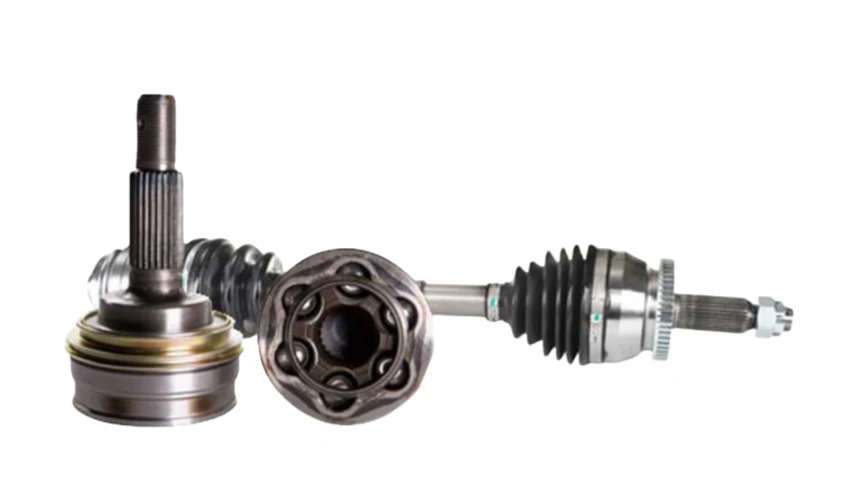
Constant Velocity Joints, or C.V. Joints, are crucial parts of a car's drivetrain, particularly in vehicles with front-wheel drive (FWD) or all-wheel drive (AWD). They allow power from the transmission to be transferred smoothly to the wheels, accommodating the up-and-down motion of the suspension while maintaining consistent wheel speed. This article provides insights into the workings of C.V. joints, the causes of their failure, and essential tips for their maintenance.
1. What are C.V. Joints in a Car?
C.V. joints are flexible joints in the driveshafts of a vehicle, designed to transmit power from the transmission to the wheels at a constant rotational speed. Each front-wheel-drive car has two C.V. joints on each drive shaft: an inner joint (close to the transmission) and an outer joint (near the wheel). The inner C.V. joint connects to the transmission output shaft, and the outer joint connects to the wheel hub. This structure allows the front wheels to turn and move up and down as they encounter different terrains while maintaining a consistent wheel speed.
2. How Do C.V. Joints Work?
The primary function of C.V. joints is to transfer torque while allowing the wheels to turn and move up and down. This is achieved through their unique design, which consists of the following:
- Ball Bearings and Grooves: C.V. joints typically have a series of ball bearings enclosed in grooved tracks within the joint housing. These ball bearings allow smooth rotation while maintaining flexibility in the angle of motion.
- Boots and Grease: The joint is protected by a rubber or plastic "boot," which is filled with grease. This setup minimizes friction between the components and keeps the joint lubricated, preventing wear and overheating.
As the vehicle's wheels move up and down over bumps and during turns, the C.V. joint enables the driveshaft to bend accordingly without interrupting the rotational motion of the wheels.
3. How Do C.V. Joints Go Bad?
C.V. joints are robust but can fail over time due to the following reasons:
- Boot Damage: The protective boot covering the C.V. joint is prone to cracking, tearing, or loosening over time. Once the boot is damaged, dirt, moisture, and debris can enter the joint, causing contamination, which accelerates wear.
- Loss of Lubrication: A torn boot often leads to grease leakage. Without proper lubrication, the internal components of the joint experience increased friction, leading to rapid wear and eventual failure.
- Driving Conditions: Frequent driving over rough terrain, exposure to extreme weather conditions, and frequent turning at high speeds can increase strain on the C.V. joints, causing them to wear out faster.
- Aging: With high mileage, even well-maintained C.V. joints may wear down due to constant use.
4. Signs of a Bad C.V. Joint
Recognizing early symptoms of a bad C.V. joint can prevent further damage to the drivetrain. Common signs include:
- Clicking or Popping Noise: A clicking sound while turning, especially when accelerating, is one of the most prominent signs of a worn-out C.V. joint. The sound typically comes from the outer joint.
- Vibration and Shuddering: Worn inner C.V. joints can cause noticeable vibrations, particularly during acceleration.
- Grease Leaks: Inspect the area around the wheels for any grease splatter, which often indicates a damaged boot.
- Difficulty Steering: A damaged C.V. joint may lead to steering issues, as the joint struggles to rotate smoothly.
5. Maintenance Tips for C.V. Joints
Proper maintenance can help extend the life of C.V. joints and prevent costly repairs:
- Regular Inspection: Routinely inspect the C.V. boots for signs of cracks, tears, or grease leakage, especially after long drives or exposure to rough terrains.
- Replace Damaged Boots Promptly: If a C.V. boot is torn or damaged, replace it immediately to avoid contaminating the joint.
- Use Quality Grease: Ensure that C.V. joints are filled with high-quality grease suited for high temperatures and friction.
- Avoid Overloading the Vehicle: Excess weight and sudden acceleration put additional strain on C.V. joints, so avoid unnecessary overloading.
6. Replacement and Repair
While a C.V. joint boot can often be replaced without replacing the entire joint, a damaged joint itself usually requires full replacement. It's typically more cost-effective to replace a worn C.V. joint than attempt repairs on the internal components. Many mechanics recommend replacing both the inner and outer C.V. joints on the affected driveshaft for balanced performance, particularly if the vehicle has high mileage.
7. Importance of Quality C.V. Joints
Using high-quality C.V. joints can enhance durability and performance. Original Equipment Manufacturer (OEM) C.V. joints or those from reputable aftermarket brands offer better resistance to wear and may have enhanced materials, such as reinforced rubber boots or improved bearing designs. This is especially beneficial for drivers who frequently encounter challenging driving conditions, such as off-roading or high-speed driving.
Conclusion
C.V. joints play a vital role in maintaining smooth power transfer from the engine to the wheels, enabling stable and reliable vehicle performance. Recognizing the early signs of wear and addressing any issues promptly can help prevent costly repairs and extend the life of the C.V. joints. Regular maintenance, careful driving, and using quality parts contribute significantly to the longevity and reliability of these essential drivetrain components.