Tokyo/Los Angeles - In a dual push toward next-generation mobility, Japan's leading automakers, Nissan and Toyota, have unveiled significant advancements in autonomous driving and hydrogen fuel cell technology, marking strategic moves in the evolving automotive landscape.
Nissan confirmed plans to integrate the British startup Wayve's groundbreaking AI Driver system into its next-generation ProPILOT assisted driving technology, with production scheduled for fiscal year 2027. The enhanced system combines Nissan's proprietary sensing technologies with Wayve's embodied AI foundation model, which processes driving environments through end-to-end deep learning rather than traditional coded rules. "This represents a fundamental shift in how vehicles interpret complex urban scenarios," said a Nissan spokesperson, noting the system's human-like adaptability to unpredictable road conditions during testing in Tokyo.
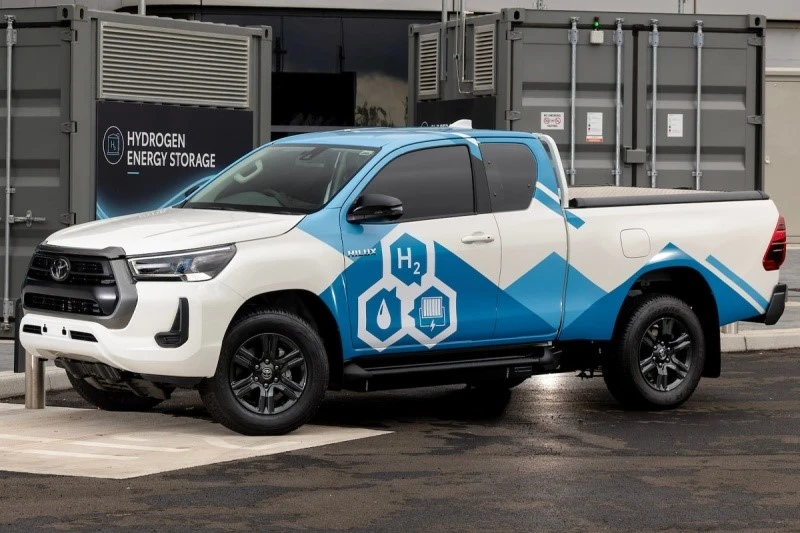
In parallel, Toyota announced the upcoming deployment of hydrogen-powered Class 8 electric trucks for logistics operations beginning in 2025. These zero-emission vehicles will service the automaker's North American Parts Center in Southern California, supported by a new hydrogen refueling station developed in collaboration with Air Liquide and Iwatani Corporation. Toyota North America Vice President Jordan Choby emphasized the project's significance at the ACT Expo: "Our hydrogen fuel cell trucks demonstrate the technology's readiness for heavy-duty applications, with range and refueling times comparable to diesel counterparts."
Industry analysts note that these announcements reflect divergent but complementary approaches to sustainable mobility. Nissan's AI partnership positions it competitively against Tesla's Full Self-Driving and GM's Ultra Cruise systems, while Toyota's hydrogen investment addresses the critical commercial vehicle segment often overlooked in electrification strategies. Both initiatives align with Japan's national clean energy roadmap, which prioritizes the development of both AI mobility solutions and hydrogen infrastructure.
The timing coincides with tightening global emissions regulations, particularly in California, where both companies maintain significant operations. Nissan's autonomous driving push comes as the EU prepares to implement new vehicle safety standards in 2027, while Toyota's hydrogen rollout precedes California's Advanced Clean Fleets regulation, set to take effect next year. Market response appeared favorable, with Nissan shares rising 2.3% and Toyota gaining 1.7% following the announcements.
These technological commitments underscore Japanese automakers' strategy to lead through specialization rather than direct competition in the crowded battery electric vehicle market. As regulatory and consumer pressures reshape transportation priorities, such targeted investments may prove decisive in determining next-generation industry leadership.