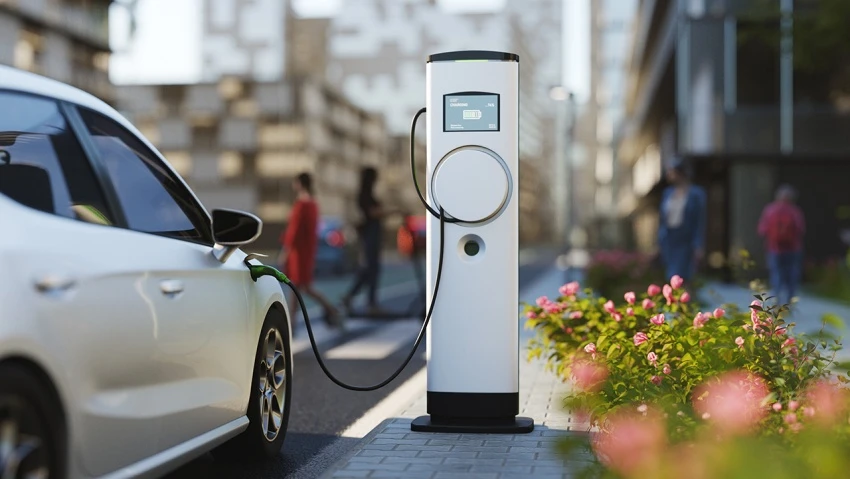
Against the backdrop of accelerating electrification in the global automotive industry, major Japanese automakers Toyota, Nissan, and others have recently announced a joint investment of ¥1 trillion (approximately $7 billion) to significantly increase battery storage production capacity. This strategic investment aims to boost Japan's battery storage capacity from 80 gigawatt-hours to 120 gigawatt-hours, with the expectation of further advancing the commercialization of electric vehicles and green technology.
Toyota plans to allocate about ¥250 billion to expand battery production through its two subsidiaries, enhancing its competitive edge in the electric vehicle market. Nissan will invest ¥150 billion, focusing on the production of lithium iron phosphate batteries, which are gaining popularity among automakers for their safety and efficiency. Nissan intends to start stable market supply by 2028.
Additionally, Panasonic Holdings Corporation will invest around ¥550 billion to produce essential lithium-ion battery components for Subaru and Mazda. These investment moves highlight the Japanese automakers' keen focus on the competitive battery technology landscape and reflect the growing global demand for electric vehicles. The electric vehicle market is projected to reach $800 billion by 2030.
Despite the ambitious nature of this investment, several challenges remain. The long return on investment period, scarcity of battery raw materials, and global supply chain instability pose significant risks to companies. Moreover, as electric vehicles become more widespread, the issues of battery recycling and reuse will become increasingly pressing, with future markets placing greater emphasis on green and sustainable production methods.
In summary, Toyota and Nissan's investments not only inject new vitality into Japan's electric vehicle market but also pave the way for a transformation in the global battery production landscape. The rapid advancement of battery technology presents both challenges and opportunities, and the ability to seize these opportunities will shape the future trajectory of these companies. Electric vehicles are not only a mode of transportation but also a microcosm of the energy revolution, and how companies navigate this evolving landscape will determine their future success.