A buying frenzy for hybrid vehicles is sweeping across the global auto market, and as the pioneer in this field, Toyota is facing a "sweet dilemma." At a Toyota dealership in Munich, Germany, a Yaris Cross Hybrid display vehicle is drawing crowds of eager buyers. Sales manager Hans Müller admits that three customers have already offered to pay an extra €2,000 to drive it home immediately. This scene is being repeated across multiple markets, with European orders for the Yaris Cross Hybrid surpassing 120,000 units, and some regions experiencing delivery delays of up to 90 days.
Unprecedented Demand Across Major Markets
In North America, demand is equally intense. The Camry Hybrid set a sales record in Q1 2024, with an inventory turnover time of just seven days, far below the industry average of 35 days. Toyota North America's Vice President of Sales, Jack Hollis, acknowledges that the company is experiencing an unprecedented demand surge, but supply chain constraints are significantly limiting its ability to deliver vehicles.
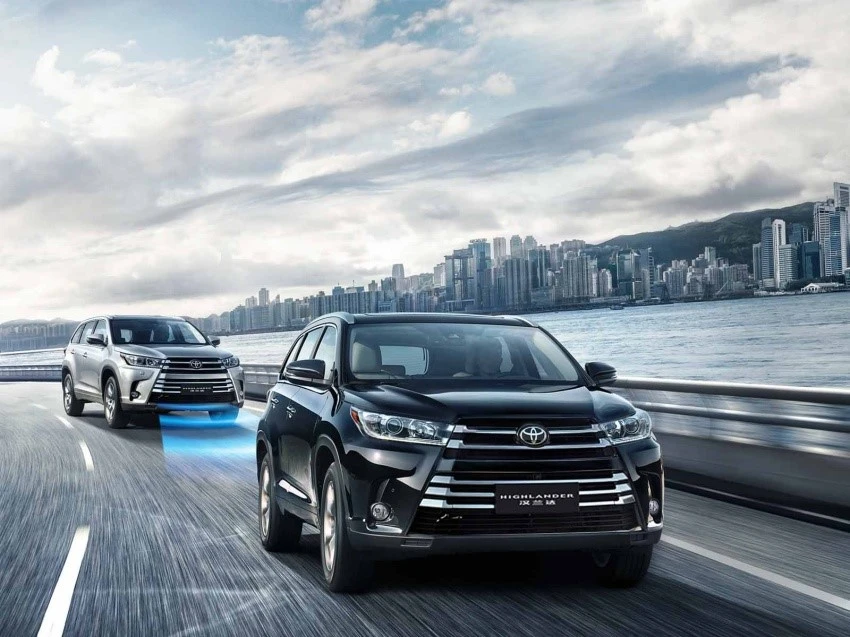
In China, despite fierce competition from domestic brands like BYD, Toyota's hybrid vehicle sales have still achieved a 27% year-on-year increase. The Highlander Hybrid has seen price markups of 5,000 to 8,000 RMB in Eastern China, reflecting its strong market demand.
Supply Chain Under Immense Pressure
The unexpected sales boom has put Toyota's supply chain under tremendous strain. According to Kenichi Yamada, head of Toyota's Procurement Division, the price of neodymium-iron-boron (NdFeB) alloys used in electric motor magnets has surged by 40% in the past six months, becoming one of the most challenging supply issues.
- Aisin Seiki's rotor production lines can only meet 85% of current orders.
- DENSO's inverter delivery cycle has been extended to 16 weeks.
- Panasonic Energy's nickel-metal hydride (NiMH) battery production capacity has reached 120% utilization, pushing the entire supply chain to its limits.
Toyota's Response: Expanding Production & Strengthening Supply Chain
To address these challenges, Toyota has launched a series of emergency measures worldwide:
- Supplier Support Program: Toyota is providing interest-free loans to help suppliers upgrade production lines.
- Strategic Component Reserves: The company is stockpiling key components to mitigate supply risks.
- Logistics Optimization: Toyota has streamlined its logistics network, reducing shipping times by 30%.
For long-term capacity expansion:
- The North Carolina battery plant, originally scheduled for 2025, will now be operational by late 2024.
- Toyota's localized motor production agreement with Tata Group in India is now in the implementation phase.
- A new hybrid system factory in Thailand is expected to be operational in Q1 2025.
Rising Competition in the Hybrid Market
According to Morgan Stanley auto analyst Lisa Chen, this hybrid boom reflects a real shift in market demand. In regions where charging infrastructure remains underdeveloped, hybrid technology is becoming the most practical transition solution.
Forecasts indicate that in 2023, global hybrid vehicle sales will exceed 8 million units, capturing 15% of the total market share. However, Toyota's dominance in the hybrid sector is now facing increased competition:
- Hyundai plans to introduce 10 new hybrid models by 2024.
- Stellantis has announced a 50% increase in its hybrid platform development budget.
With a hybrid technology race quietly unfolding, Toyota must balance production capacity with supply chain resilience to maintain its market leadership.