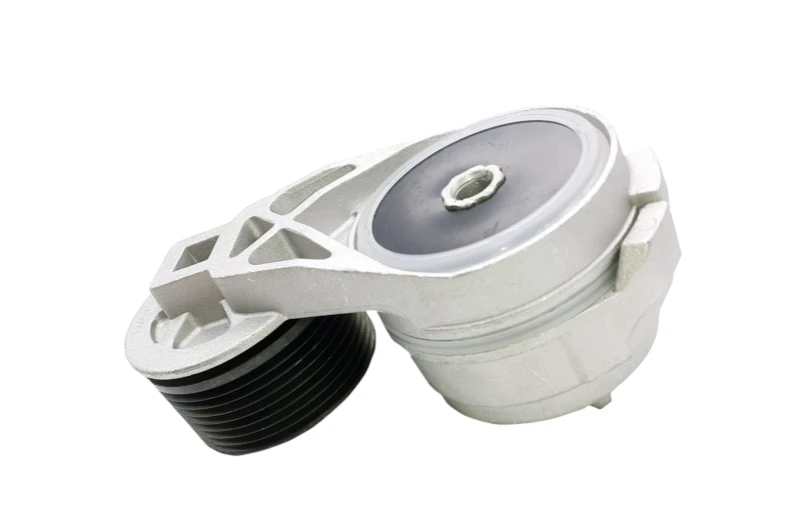
A timing belt, also known as a cambelt, is a crucial component in many internal combustion engines. Its primary function is to synchronize the rotation of the engine's crankshaft and camshaft(s), ensuring that the engine's valves open and close at the correct times during each cylinder's intake and exhaust strokes. This synchronization is vital for the proper operation of the engine and for maintaining optimal performance and efficiency.
But a bad timing belt tensioner can cause several symptoms, indicating that it needs attention or replacement. Here are some common signs to look out for:
- Ticking or rattling noise: A worn-out or failing timing belt tensioner may produce a ticking or rattling noise from the engine compartment. This noise typically increases in intensity with engine speed and can indicate that the tensioner is not maintaining proper tension on the timing belt.
- Visible belt wear: Inspect the timing belt for signs of wear, such as fraying, cracks, or missing chunks. If the tensioner is not applying enough tension, the belt can slip or wear prematurely.
- Misalignment of pulleys: A failing tensioner may cause the timing belt to become misaligned on the pulleys, which can lead to uneven wear and potential damage to other engine components.
- Engine misfires or rough idling: If the timing belt tensioner is not maintaining proper tension, it can affect the timing of the engine's valves, leading to misfires or a rough idling sensation.
- Engine won't start: In severe cases where the timing belt tensioner fails completely, the timing belt may slip or break, causing the engine to stop running. This can result in the engine not starting at all.
- Check engine light: A failing tensioner may trigger the check engine light to illuminate on the dashboard. This could be due to misfires or other timing-related issues caused by improper tensioning of the timing belt.
- Loss of power: If the timing belt slips due to inadequate tension, it can lead to a loss of power and performance from the engine.
It's important to address any symptoms of a bad timing belt tensioner promptly, as failure of the tensioner or the timing belt itself can cause serious engine damage. Regular inspection and maintenance of the timing belt and its associated components are crucial to ensure the reliable operation of your vehicle.