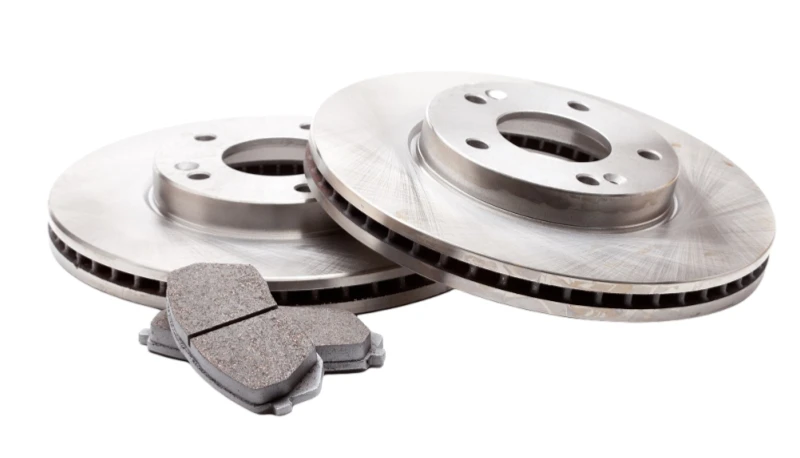
Certainly! Here are some common reasons why a car's brakes might make noise:
1. Worn Brake Pads: When brake pads wear down, their built-in wear indicators may start producing a squealing sound. This noise serves as a warning that the pads need replacement.
2. Brake Pad Dust: Brake pads can generate dust as they wear, which may accumulate on the rotors. This can lead to a squeaking noise when the brakes are applied.
3. Rust or Corrosion: If a car sits idle for a while, the brake rotors can develop surface rust. When driving, this rust can cause a scraping or grinding noise as it interacts with the brake pads.
4. Loose Brake Components: Loose calipers, pads, or shims can cause rattling or clunking sounds when braking, indicating a need for inspection and possible tightening or replacement of parts.
5. High-performance Brakes: Some high-performance brake systems may naturally produce more noise due to their materials and design, even under normal operation.
6. Moisture or Contaminants: Water, dirt, or debris on the rotors or pads can lead to noise when the brakes are applied, especially after driving through wet or muddy conditions.
7. Faulty Brake Components: Issues like warped rotors, worn-out bearings, or malfunctioning brake hardware can cause various noises, including squealing, grinding, or clicking.
8. Brake Pad Glazing: If brake pads become overheated, they can develop a glaze on the surface. This can cause a squealing or squeaking noise when the brakes are applied.
9. Worn Rotors: If brake rotors become worn or warped, they can produce a grinding or pulsating sensation when braking, accompanied by noise.
If you notice unusual sounds from your brakes, it's advisable to have them inspected by a qualified mechanic to diagnose the exact cause and prevent potential safety issues.