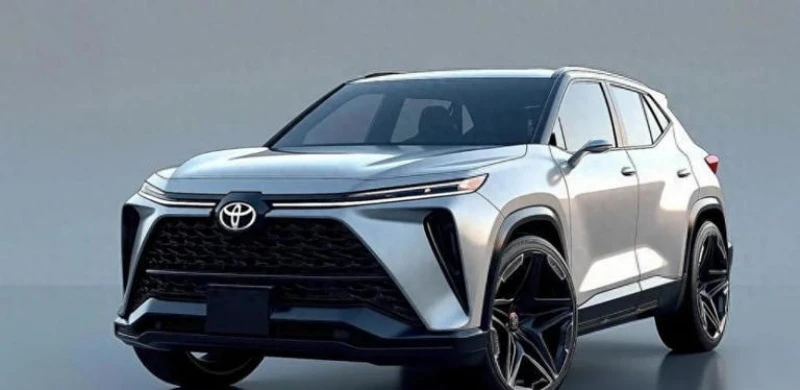
Since its debut in 1994, the Toyota RAV4 has pioneered the urban SUV segment, with global sales exceeding 12 million units, solidifying its status as one of the most popular vehicles worldwide. Since entering the Chinese market in 2009, the RAV4 has also seen steady growth, surpassing 1.8 million units sold in the country. This success highlights the model's immense popularity and influence, both in China and globally. To maintain its competitive edge, Toyota is introducing the next generation of the RAV4, which will be unveiled soon, with a global debut expected in the first half of next year, and a launch anticipated in mid-2024. The Chinese market will also see the local release of the new RAV4 shortly after, offering domestic consumers an updated version.
Based on the latest spy shots, the all-new RAV4 retains the familiar design language of the Toyota family but introduces several optimizations and innovations. The front design draws inspiration from the Toyota Camry, featuring a large blacked-out grille and boomerang-shaped LED headlights, giving the vehicle a more youthful and stylish appearance. One notable change is the enlarged rear window, which improves visibility for rear passengers and gives the car a more modern feel. The Chinese version of the RAV4 is expected to see further growth in its dimensions, which would result in an even more spacious interior-great news for families or consumers who need more cargo space.
Inside, the all-new RAV4 adopts successful design elements from the Camry, including a multifunctional steering wheel, a fully digital instrument panel, and a floating large touchscreen in the center console. The interior now boasts a more tech-forward look, with new features designed to improve the overall driving experience. Additionally, physical buttons have been redesigned and simplified, enhancing convenience while keeping the interior sleek and tidy. This approach reflects Toyota's deep understanding of user experience, balancing technological innovation with practical usability.
On the powertrain front, the new RAV4 is clearly making strides towards electrification. It is expected to phase out pure gasoline models in favor of the 2.5-liter hybrid engine (offered in both dual-motor and tri-motor versions) and the 2.5-liter plug-in hybrid engine. This shift aligns with global efforts to reduce carbon emissions, offering consumers more eco-friendly and fuel-efficient options. The Chinese version of the RAV4 will still offer a 2.0-liter gasoline engine but will also feature the 2.5-liter hybrid and plug-in hybrid systems, ensuring a balance of performance and fuel economy for a variety of driving needs-especially appealing for family users.
In the competitive Chinese market, the new RAV4 will face rivals like the BYD Song Plus and the Honda CR-V. To stand out, Toyota must continue innovating while leveraging its strengths to ensure the new RAV4 maintains its competitive edge in terms of performance, comfort, and value. This update brings many fresh features, including new design elements and configurations that are likely to appeal to younger buyers. However, these may not be enough to secure success in a fiercely competitive market. As price wars continue, Toyota may need to offer more competitive pricing to capture consumer interest.
In conclusion, the all-new Toyota RAV4 is a comprehensive update, with improvements in exterior design, interior features, and powertrain systems. It demonstrates Toyota's commitment to keeping pace with technological advancements while responding to evolving consumer needs. As the automotive industry increasingly shifts towards electrification, the new RAV4 aligns with these global trends, offering more eco-friendly and efficient mobility solutions. Whether in domestic or international markets, the new RAV4 is poised to remain a key player in the urban SUV segment.