On June 17, two leading Japanese automakers, Nissan and Honda, respectively announced significant product and service initiatives, signaling their concerted efforts in both electrification and the preservation of classic models.
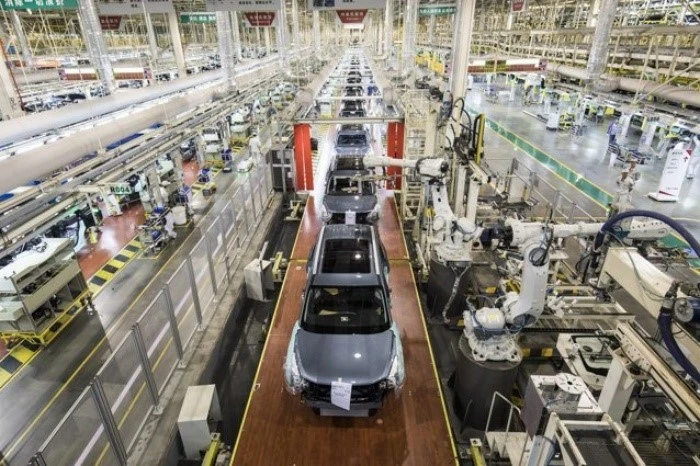
Nissan unveiled the all-new third-generation Leaf electric vehicle, scheduled to debut in the North American market this fall, followed by launches in Japan later this year and Europe in 2026. The new Leaf will be assembled alongside the Nissan Ariya at the Tochigi plant in Japan and exported to the United States and Canada. Equipped with a 75 kWh battery pack, the vehicle's range has been increased to 303 miles (approximately 487.6 kilometers), marking a roughly 43% improvement over the current model. Charging speeds have also been significantly enhanced, allowing owners to add 130 miles of range in just 15 minutes under optimal conditions-double that of the previous generation.
Additionally, the new Leaf will support the North American Charging Standard (NACS), enabling access to Tesla's extensive Supercharger network. Nissan positions this model as a key option for drivers transitioning from traditional gasoline and hybrid vehicles to full electrification, reflecting the company's commitment to achieving carbon neutrality by 2050.
Facing intense competition from electric vehicle manufacturers such as Tesla and BYD, Nissan aims to revitalize its global EV presence through this flagship model. While the vehicle will launch first in North America, shifting policies in the region have prompted Nissan to focus strategic efforts on Europe. Currently, there are no plans to introduce the new Leaf in China. Following the announcement, Nissan's stock price rose by 1.9%.
Meanwhile, Honda announced a major new service initiative to support owners of discontinued models. Beginning in spring 2026, Honda will launch an official program in Japan to supply genuine parts and repair services for select out-of-production vehicles, with the iconic first-generation NSX supercar as the initial beneficiary. Launched in the early 1990s, the NSX is widely regarded as Japan's first true supercar and gained additional prestige as the personal car of the late F1 legend Ayrton Senna.
Recognizing the longstanding challenge owners face in sourcing replacement parts for classic vehicles, Honda is investing heavily in new solutions through partnerships. These include advanced 3D printing and remanufacturing technologies to reproduce and refurbish discontinued components. Remanufactured parts will meet the same strict performance and quality standards as original equipment, ensuring continued reliability and safety.
Honda is not alone in this endeavor. Toyota has long offered "GR Heritage Parts" to provide replacement and even replicated components for classic models, ranging from sports cars like the Supra to SUVs such as the Land Cruiser, including parts for the 1967 2000GT. Nissan also operates the "Nismo Heritage Parts" program to extend the lifespan of legendary vehicles like the Skyline GT-R. These efforts reflect the Japanese automakers' dedication to preserving brand heritage and maintaining customer loyalty.
As the global automotive industry undergoes rapid transformation, Japanese manufacturers are simultaneously advancing electrification and safeguarding their historic models. This dual approach offers consumers a richer array of choices and sets an example of long-term commitment in the sector.