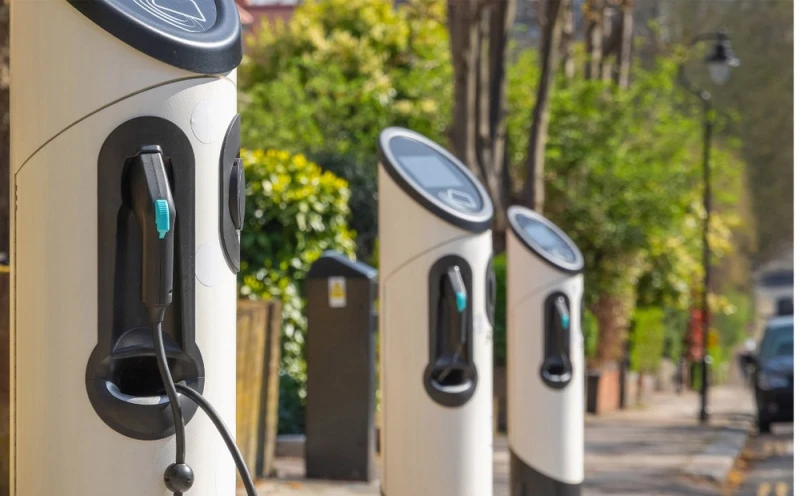
On February 19, Indonesia's Ministry of Energy and Mineral Resources announced that the government plans to build 63,000 electric public bus charging stations nationwide by 2030. This initiative aims to accelerate the adoption of electric vehicles (EVs) and reduce the country's reliance on imported fuel. The implementation of this charging station project marks a significant step forward in Indonesia's efforts to drive energy transition and sustainable development.
Currently, Indonesia has 3,233 electric public bus charging stations in operation. According to the country's plans, this number is expected to increase significantly to 63,000 by 2030. This expansion of charging infrastructure will provide ample support for the growth of the electric vehicle industry and further accelerate the transition to green transportation.
At a seminar held on the same day, Dismman Hutajulu, the Director-General of Electricity at the Ministry of Energy and Mineral Resources, highlighted that the charging station construction plan is a core strategy to rapidly develop the electric vehicle industry in Indonesia. "This plan is not only a major expansion of Indonesia's electric vehicle infrastructure but also an essential part of the country's energy transition goals. Through this initiative, we will significantly enhance the convenience of using electric vehicles and move Indonesia toward a more sustainable, low-carbon future," he stated.
Indonesia currently consumes 1.4 million barrels of fuel per day, while the country's daily crude oil production is only about 600,000 barrels, resulting in a significant supply-demand gap for fuel. To address this issue, the government is actively promoting the development of new energy vehicles. By expanding the adoption of electric public buses and building more charging stations, the government hopes to gradually reduce reliance on imported fuel. According to Hutajulu, if the charging station project proceeds as planned, the country could reduce daily fuel consumption by approximately 66,000 barrels, helping to alleviate pressure on fuel supply.
With the continued improvement of charging infrastructure, Indonesia's electric vehicle market is expected to experience explosive growth in the future. The government plans to incentivize more businesses and consumers to transition to electric vehicles, contributing to the reduction of carbon emissions. Electric public buses, as green transportation options, will not only help reduce urban air pollution but also improve energy efficiency and lessen the environmental burden.
Indonesia's ambitious plan aligns with the global trends of electrification and energy transition, highlighting the country's active role in sustainable development. Through large-scale charging station construction and the promotion of electric vehicle adoption, Indonesia aims to adjust its energy structure and set an example for other developing countries in the global green transition.
As the electric vehicle industry grows, Indonesia will also strengthen technical exchanges and cooperation with international companies and partners to enhance its competitiveness in the new energy vehicle sector. Hutajulu remarked, "Through this plan, Indonesia will gradually establish a complete electric vehicle industry chain, increasing the number of electric vehicles on the road domestically while laying a solid foundation for the future of green energy and electric transportation."
Overall, Indonesia's government plan to build a vast network of electric public bus charging stations is poised to boost the development of the electric vehicle industry and support the country's energy transition. As the plan unfolds, Indonesia will play an increasingly important role in the global electric vehicle and green energy landscape.