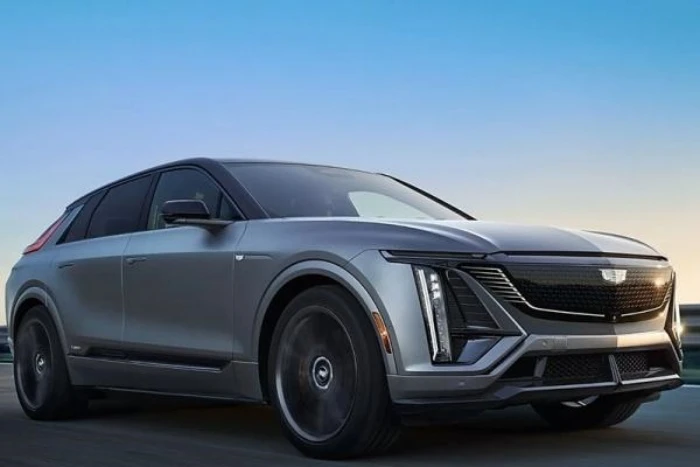
General Motors recently announced that it will cease production of the gasoline-powered Cadillac XT4 SUV in January 2024 at its Fairfax plant in Kansas, shifting its focus entirely to electric vehicle (EV) production. GM has invested $390 million in the plant to begin manufacturing the next-generation Chevrolet Bolt EV. This decision highlights GM's commitment to accelerating its electrification strategy and underscores its ambition to maintain a competitive edge in a rapidly evolving market.
In addition to restructuring its vehicle lineup, GM is strategically repositioning its brand portfolio. Earlier this month, the company decided to end production of the iconic Chevrolet Malibu, a model with global sales exceeding 10 million units since its launch. GM's realignment of its sedan offerings reflects a proactive response to rising demand for environmentally friendly, low-emission vehicles and aims to shape a product lineup that aligns with future trends.
GM had initially planned to produce both the XT4 and Bolt EVs on the same line in 2025, but has now opted to focus exclusively on the Bolt series. This shift likely reflects market dynamics and sales trends; this year, Cadillac XT4 sales fell by 12%, indicating a gradual decline in consumer interest in traditional gasoline models as demand for EVs continues to grow.
The reorganization also impacts staffing levels at the Fairfax plant. GM plans to conduct the first round of layoffs on November 18, affecting 686 full-time employees and 250 temporary workers, with a second round scheduled for January 12, impacting an additional 759 full-time employees. However, GM has indicated that these employees will have the opportunity to return to the plant when EV production resumes at scale by the end of 2025. This strategy reflects GM's careful approach to cost management and resource optimization while providing reassurances of future job stability.
In recent years, GM has increasingly shifted its production focus to SUVs and crossovers to align with U.S. market preferences for larger, more versatile vehicles. The Malibu was the last Chevrolet sedan offered in the U.S. market, following the end of production of the Chevrolet Camaro last year, with the iconic Chevrolet Corvette remaining as the sole passenger car.
GM's recent decisions underscore its commitment to an accelerated EV transition. As competition intensifies in the global auto industry, GM's strategic pivot demonstrates its efforts to remain at the forefront of the emerging EV market. This transformation is not only essential for GM's future growth but also signals its vital role in the global shift towards a more sustainable automotive landscape.