

Are there any safety concerns when replacing arm rubber bushings?
As a seasoned supplier of arm rubber bushings, I've encountered numerous inquiries from customers regarding the safety aspects of replacing these crucial components. In this blog post, I aim to delve into the potential safety concerns associated with arm rubber bushing replacement and provide insights to help you make informed decisions.
Understanding Arm Rubber Bushings
Before we explore the safety concerns, let's first understand the role of arm rubber bushings in a vehicle's suspension system. Arm rubber bushings are flexible components made of rubber or synthetic materials that are used to connect various parts of the suspension system, such as control arms, sway bars, and trailing arms, to the vehicle's frame or body. These bushings serve several important functions:
- Vibration Isolation: They absorb and dampen vibrations and shocks generated by the road surface, providing a smoother and more comfortable ride for the vehicle occupants.
- Noise Reduction: By isolating the suspension components from the vehicle's frame, arm rubber bushings help reduce noise and rattling inside the cabin.
- Alignment and Stability: They maintain the proper alignment of the suspension components, ensuring stable handling and steering control of the vehicle.
- Load Distribution: Arm rubber bushings distribute the forces and loads exerted on the suspension system evenly, preventing excessive wear and tear on other components.
Potential Safety Concerns During Replacement
While replacing arm rubber bushings is generally a routine maintenance task, there are several potential safety concerns that need to be addressed to ensure a safe and successful replacement process. Here are some of the key safety concerns to keep in mind:
1. Incorrect Installation
One of the most common safety concerns when replacing arm rubber bushings is incorrect installation. If the bushings are not installed properly, they may not function as intended, leading to a variety of problems, including:
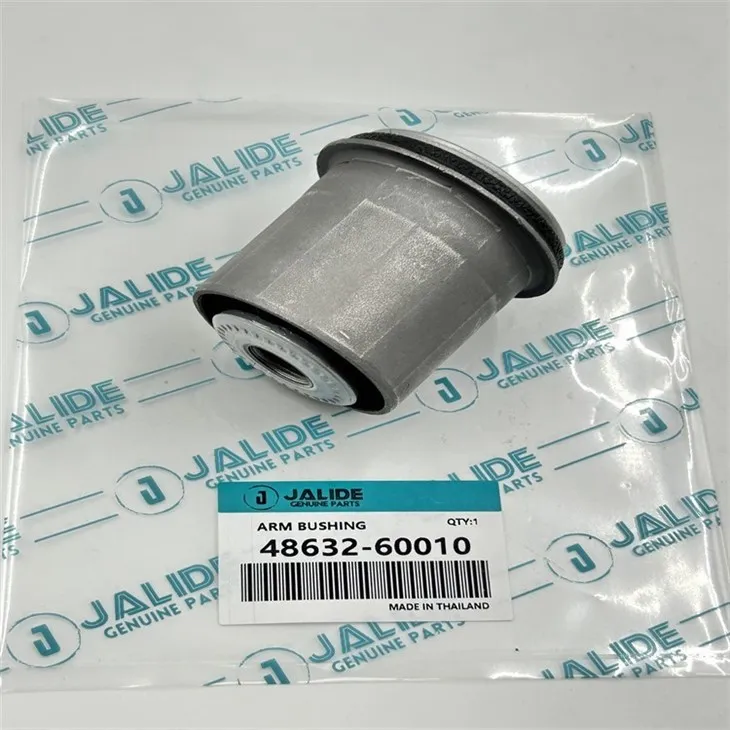
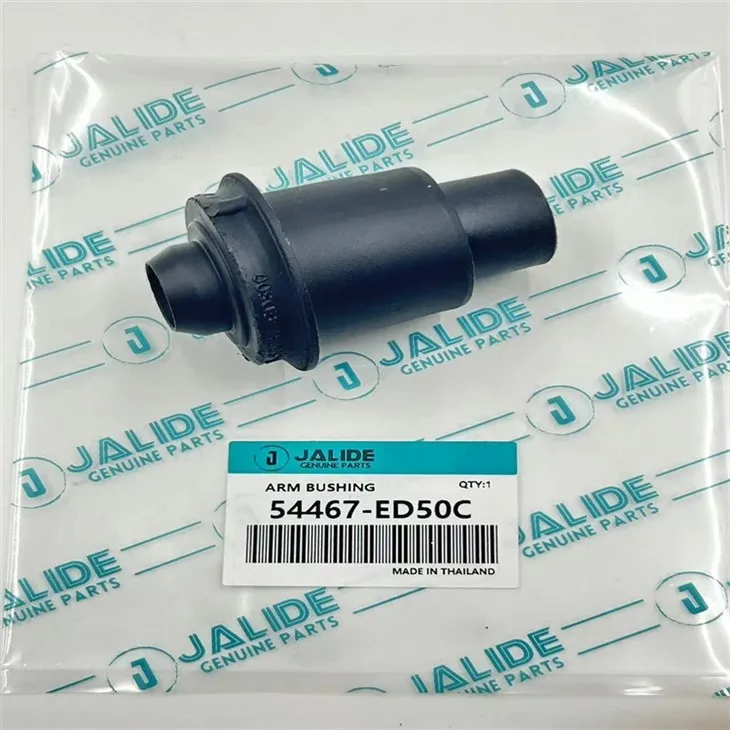
- Poor Alignment: Incorrectly installed bushings can cause the suspension components to be misaligned, resulting in uneven tire wear, poor handling, and steering problems.
- Reduced Stability: Improperly installed bushings may not provide adequate support and stability to the suspension system, increasing the risk of the vehicle swaying or losing control during cornering or braking.
- Premature Wear: If the bushings are not installed correctly, they may experience excessive stress and wear, leading to premature failure and the need for further repairs.
To avoid these issues, it is essential to follow the manufacturer's installation instructions carefully and use the correct tools and techniques. If you are not confident in your ability to install the bushings correctly, it is recommended to seek the assistance of a professional mechanic.
2. Compatibility Issues
Another important safety concern when replacing arm rubber bushings is compatibility. Not all bushings are created equal, and using the wrong type or size of bushing can have serious consequences for the safety and performance of your vehicle. Here are some compatibility issues to consider:
- Vehicle Compatibility: Make sure the bushings you choose are specifically designed for your vehicle's make, model, and year. Using the wrong bushings may not fit properly or may not provide the necessary support and performance for your vehicle.
- Material Compatibility: Different types of bushings are made from different materials, each with its own unique properties and characteristics. Make sure the material of the bushings you choose is compatible with the other components of your suspension system and the driving conditions you typically encounter.
- Load Capacity: Consider the load capacity of the bushings when choosing a replacement. If you frequently carry heavy loads or tow trailers, you may need to choose bushings with a higher load capacity to ensure the safety and performance of your vehicle.
To ensure compatibility, it is recommended to consult the vehicle's owner's manual or a professional mechanic before purchasing and installing new bushings.
3. Tool and Equipment Safety
Replacing arm rubber bushings requires the use of specialized tools and equipment, such as a bushing press, a torque wrench, and a socket set. Using these tools incorrectly or without proper safety precautions can pose a significant risk of injury. Here are some tool and equipment safety tips to keep in mind:
- Read the Instructions: Before using any tool or equipment, make sure you read and understand the manufacturer's instructions carefully. Follow all safety warnings and guidelines to avoid accidents and injuries.
- Wear Protective Gear: When working with tools and equipment, it is important to wear appropriate protective gear, such as safety glasses, gloves, and a dust mask, to protect yourself from flying debris, sharp edges, and harmful chemicals.
- Use the Right Tools: Make sure you use the correct tools and equipment for the job. Using the wrong tools can damage the bushings or other components of the suspension system and increase the risk of injury.
- Inspect the Tools: Before using any tool or equipment, inspect it carefully for any signs of damage or wear. Do not use any tool or equipment that is damaged or malfunctioning.
4. Post-Replacement Inspection
After replacing the arm rubber bushings, it is important to perform a thorough post-replacement inspection to ensure that the installation was successful and that the suspension system is functioning properly. Here are some key areas to inspect:
- Alignment: Check the alignment of the suspension components to make sure they are properly aligned. If the alignment is off, it may be necessary to have the vehicle's alignment adjusted by a professional mechanic.
- Tightening: Check the tightness of all the bolts and nuts that were removed and reinstalled during the replacement process. Make sure they are tightened to the manufacturer's specifications to prevent them from coming loose during operation.
- Clearance: Check the clearance between the suspension components and the vehicle's frame or body to make sure there is no interference or rubbing. If there is any interference, it may be necessary to make adjustments or replace the bushings.
- Functionality: Test the functionality of the suspension system by driving the vehicle on a smooth, level road. Pay attention to any unusual noises, vibrations, or handling problems. If you notice any issues, have the vehicle inspected by a professional mechanic.
Conclusion
In conclusion, while replacing arm rubber bushings is generally a routine maintenance task, there are several potential safety concerns that need to be addressed to ensure a safe and successful replacement process. By following the manufacturer's installation instructions carefully, using the correct tools and techniques, and performing a thorough post-replacement inspection, you can minimize the risk of safety issues and ensure the long-term performance and reliability of your vehicle's suspension system.
If you are in the market for high-quality arm rubber bushings, we are here to help. As a leading supplier of arm rubber bushings, we offer a wide range of products to suit your needs and budget. Our products are made from the highest quality materials and are designed to provide superior performance and durability.
To view our selection of arm rubber bushings, please visit our website and check out the following products:
- 54467-ED500 Body/Frame Bush For NISSAN AD / AD Expert, Bluebird Sylphy, Cube/Cube Cubic
- 48632-60010 Bushing, Suspension For Toyata Land Cruiser 100, LEXUS LX470
- 48702-60090 Bushing Suspension For TOYATA Land Cruiser 100, LEXUS LX470
If you have any questions or need assistance with choosing the right arm rubber bushings for your vehicle, please feel free to contact us. Our team of experts is always available to help you find the best solutions for your needs.
References
- Chilton's Auto Repair Manuals
- Haynes Repair Manuals
- Vehicle Owner's Manuals